


Do face masks protect against influenza virus infection?
Why masks matter during flu season
Australia’s flu season consistently places significant pressure on healthcare systems, and in the post-COVID era, public awareness of respiratory illness risks is higher than ever. As a result, many people continue to take simple precautions, such as wearing masks, to reduce the risk of contracting the flu and other respiratory illnesses, including rhinovirus and RSV.
As an Australian manufacturer of TGA-registered respiratory products, Detmold Medical plays an important role in supporting healthcare providers and the broader community. Read on to learn more about practical steps you can take to help reduce your risk this flu season, along with guidance on choosing reliable and compliant respiratory protection.
How the flu spreads and where masks help
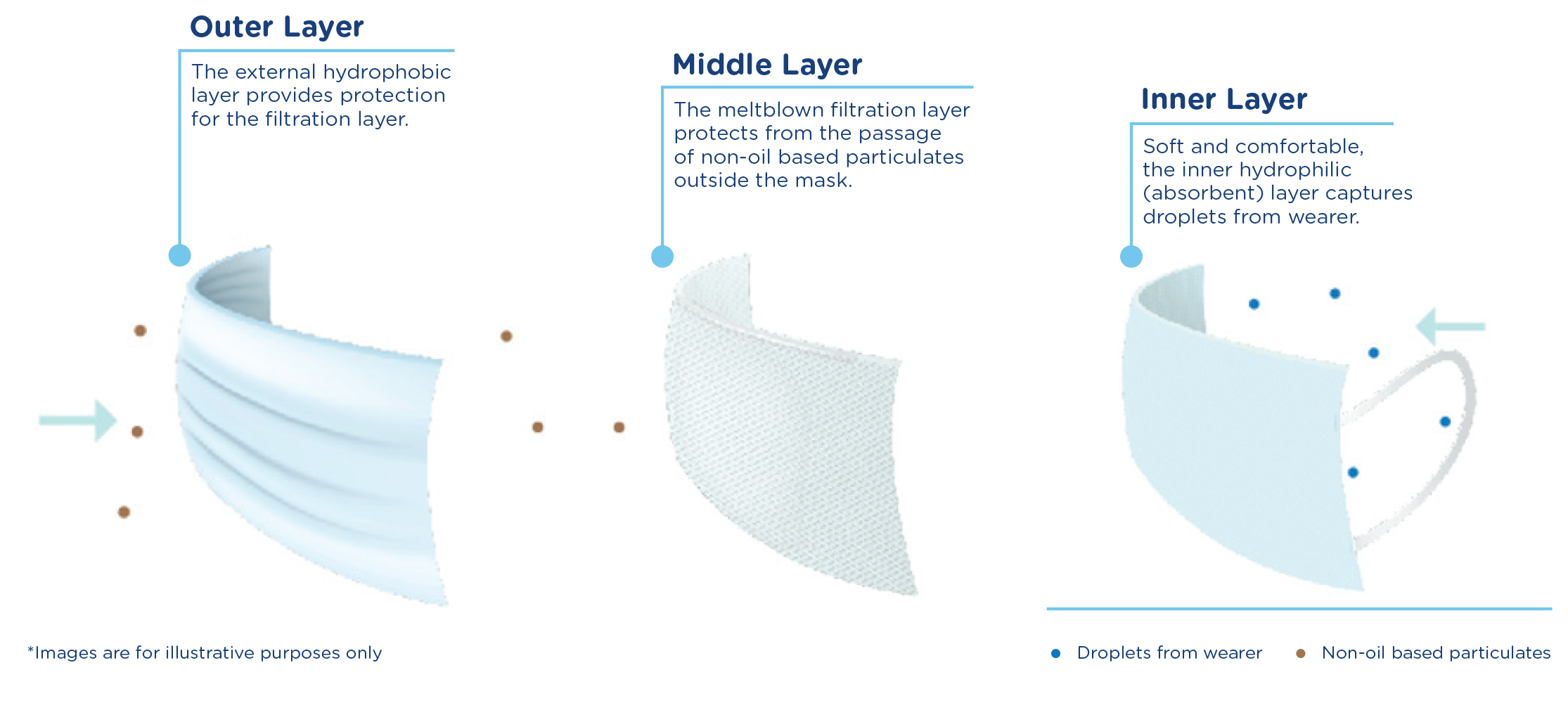
Influenza spreads via respiratory droplets from coughing, sneezing, and talking, through aerosols in poorly ventilated spaces, or via a secondary pathway on contaminated surfaces.
High-risk environments for contamination include public transport, healthcare and aged care settings, and workplaces with close contact. In these environments, masks act as a physical barrier, reducing inhalation and emission of infectious particles.
Do face masks protect against flu?
Face masks can reduce the risk of catching and spreading influenza, especially in indoor or crowded settings. Their effectiveness depends on:
- The type of mask.
- How well it fits
- Consistent and correct use.
While face masks can help protect against influenza and other respiratory illnesses, they’re often most effective when combined with other measures such as vaccinations, good hand hygiene, and staying home when sick.
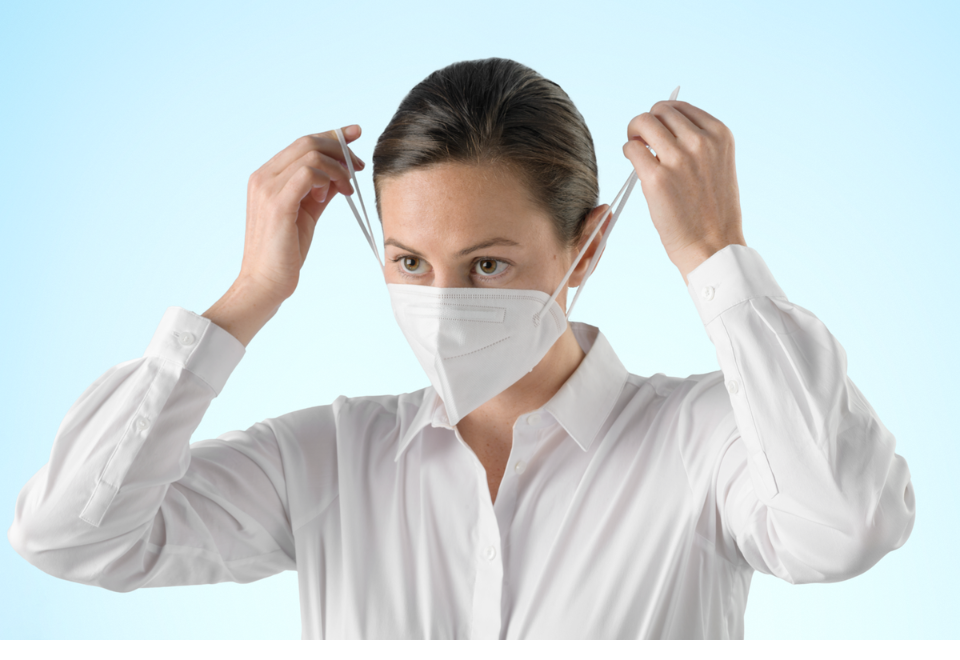
Respirators, such as P2 or N95 surgical respirator masks, create a tight seal around the wearer's face when worn correctly. With higher filtration and a better fit than standard masks, they offer the highest level of protection. Because of this, they’re typically recommended in healthcare or hospital settings.
Mask comparison: Which mask is best for flu protection?
While wearing masks can help protect you from respiratory viruses, they all offer various levels of protection:
| Mask Type | Filtration | Fit | Best For |
| Community mask | Low-Moderate | Loose | General public, low-risk settings |
| Surgical mask | Moderate (droplets) | Loose | Healthcare, symptomatic individuals |
| P2/N95 respirator | High (aerosols + droplets) | Tight seal | High-risk environments, vulnerable people |
Community masks
Designed for settings where physical distancing isn’t possible, our community masks have layers of lightweight material to provide protection, comfort, and breathability. These masks shouldn’t be used in clinical environments and are better suited to settings such as conferences, ships, cinemas, and public transport.
Surgical masks
Surgical masks are recommended for use in hospital and clinical settings where a person may be exposed to splashes and sprays. Effective as a source control measure, our surgical masks also prevent bodily fluid droplets from escaping through the nose or mouth and are AS 4381 compliant. These types of masks are less effective against aerosols as they have a limited seal.
P2 / N95 respirators
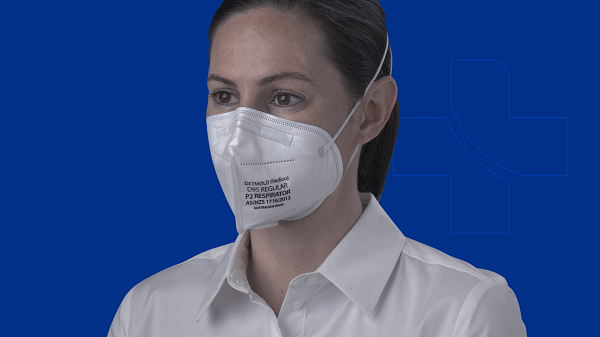
Recommended for healthcare workers, aged care staff, immunocompromised individuals, and high-density indoor settings, P2/N95 respirators are AS/NZS 1716 compliant and filter out between 94-95% of airborne particles. For best protection during flu season, a well-fitted P2/N95 respirator offers the highest level of defence.
Types of face masks
Wearing a face mask is one of the best ways to help prevent flu and other respiratory viruses from spreading. With that said, different masks offer various levels of protection. At Detmold Medical, we offer a complete range of face masks and respirators for use in different settings.
Here is a quick overview of the masks and respirators we manufacture in Australia that can be used to help prevent you from getting a respiratory illness.
Other protective measures during flu season
Vaccination
Annual flu vaccines remain the most effective protection against severe illness. The best time to have your vaccination is before peak flu season, which is generally around April or May, with cases generally surging between June and September in Australia.
Hand hygiene
Hand hygiene is critical in preventing illness during flu season. You should always wash your hands regularly with soap or sanitiser, and avoid touching your face after exposure to public areas, such as on public transport or in hospitals.
Stay home when sick
The current guidance for COVID-19 is to stay home until any acute symptoms have disappeared. However, remaining home when sick is also a good way to reduce workplace and community spread, especially during flu season.
Ventilation
Ensuring rooms are well-ventilated is another preventive measure during flu season, as it can reduce the risk of transmission. With viruses thriving in small, confined spaces, the best option is to open doors and windows, even as people tend to stay indoors during the cooler months in Australia.
FAQs
Is a surgical mask enough for flu protection?
A surgical mask provides protection against droplets but has gaps around the face. On the other hand, a respirator (P2/N95) offers better protection in higher-risk settings.
Should I wear a respirator during flu season?
A respirator is recommended during flu season, especially if you’re in crowded indoor spaces or immunocompromised. Respirators are particularly useful in healthcare, aged care, or on public transport.
What mask should I wear on public transport in Australia?
A well-fitted P2 or N95 respirator is the most effective option to wear on public transport in Australia. Surgical masks provide moderate protection if respirators aren’t available.
Do masks stop you from catching the flu completely?
Masks don’t completely prevent you from catching the flu, but they significantly reduce your risk. They’re most effective when combined with vaccination and hygiene.
Are TGA-approved masks better?
Yes, TGA registration ensures products meet Australian safety and performance standards. This compliance standard is critical for healthcare and high-risk use.
About Detmold Medical
Detmold Medical is an Adelaide-based Australian manufacturer, supplying TGA-registered respiratory protection products to pro
tect the Australian community from influenza and other respiratory illnesses.
Throughout the COVID-19 pandemic, we proudly safeguarded frontline healthcare workers with quality, reliability, and local manufacturing standards. We continue to supply the Australian community with quality, compliant products.
Stay well during flu season with Detmold Medical
At Detmold Medical, we care about protecting the community with TGA-registered face masks and respirators designed to protect you throughout the Australian flu season.
We supply a wide range of protective products, including community masks, surgical and medical masks, and P2/N95 respirators. Explore our range of quality masks and respirators today.