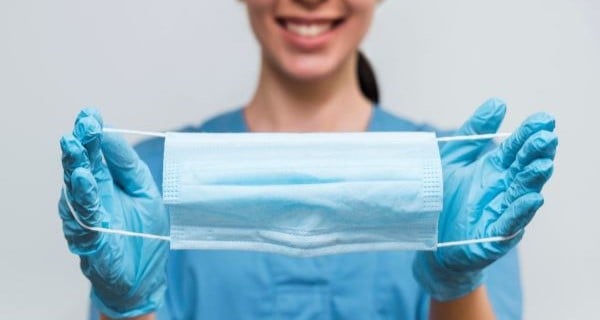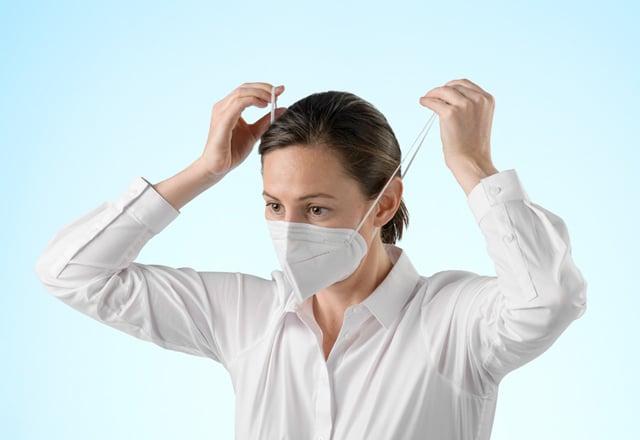



Although the world has moved beyond the peak of the COVID-19 pandemic, face masks remain a valuable tool for protecting your health. In workplaces, healthcare settings, and community spaces, masks reduce your risk of illness and help prevent spreading it to others.
Following clear, evidence-based guidance can help you understand when masks and respirators are most effective and how they continue to reduce infection, especially during seasonal peaks.
Below, we outline when to use a face mask, the types available, and how seasonal conditions or your environment can guide the best choice.
When should you wear a mask in healthcare, workplace, and public settings?
Healthcare
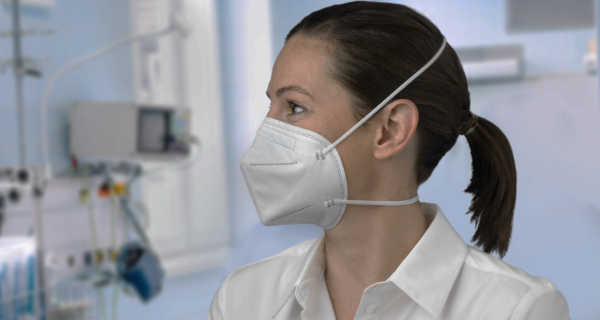
Workers in healthcare settings, such as hospitals, pharmacies, and community health centres, are often required to wear face masks or respirators when there’s a risk of exposure to hazardous respiratory droplets or aerosols. For example, respiratory protective equipment (RPE) is required for protection and to reduce further spread when caring for patients with respiratory infections, like influenza, RSV, pertussis, or COVID-19.
Workplaces
Some organisations may require masks to be worn in accordance with their workplace mask policy or risk assessment procedures to minimise risk to their employees. Indoor environments with poor ventilation, close-contact work, or customer-facing roles during outbreaks may also warrant wearing a mask.
RPE is often required in construction, mining, and industrial settings where workers are exposed to airborne contaminants, such as dust, fumes, vapours, gases, and mists.
Public
When you're out in the community, wearing a face mask is recommended during periods of high respiratory illness transmission, especially if you’re feeling under the weather yourself. If you’re frequenting healthcare facilities or aged-care settings, wearing a face mask is just as much about protecting yourself as it is about protecting others around you.
| Type | Fit | Primary Purpose | Protection Level | Typical Use Setting |
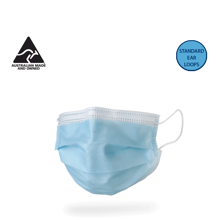
| Surgical mask | Loose-fitting with ear loops or head ties. | Protects the wearer against splashes and sprays from others and provides source control. | Protects the wearer against splashes and sprays from others and provides source control Low to moderate; protects mainly against splashes, sprays, coughs, and sneezes. | Clinical and public settings; low-risk situations. |
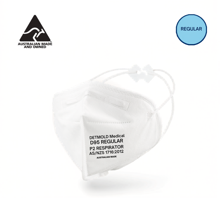
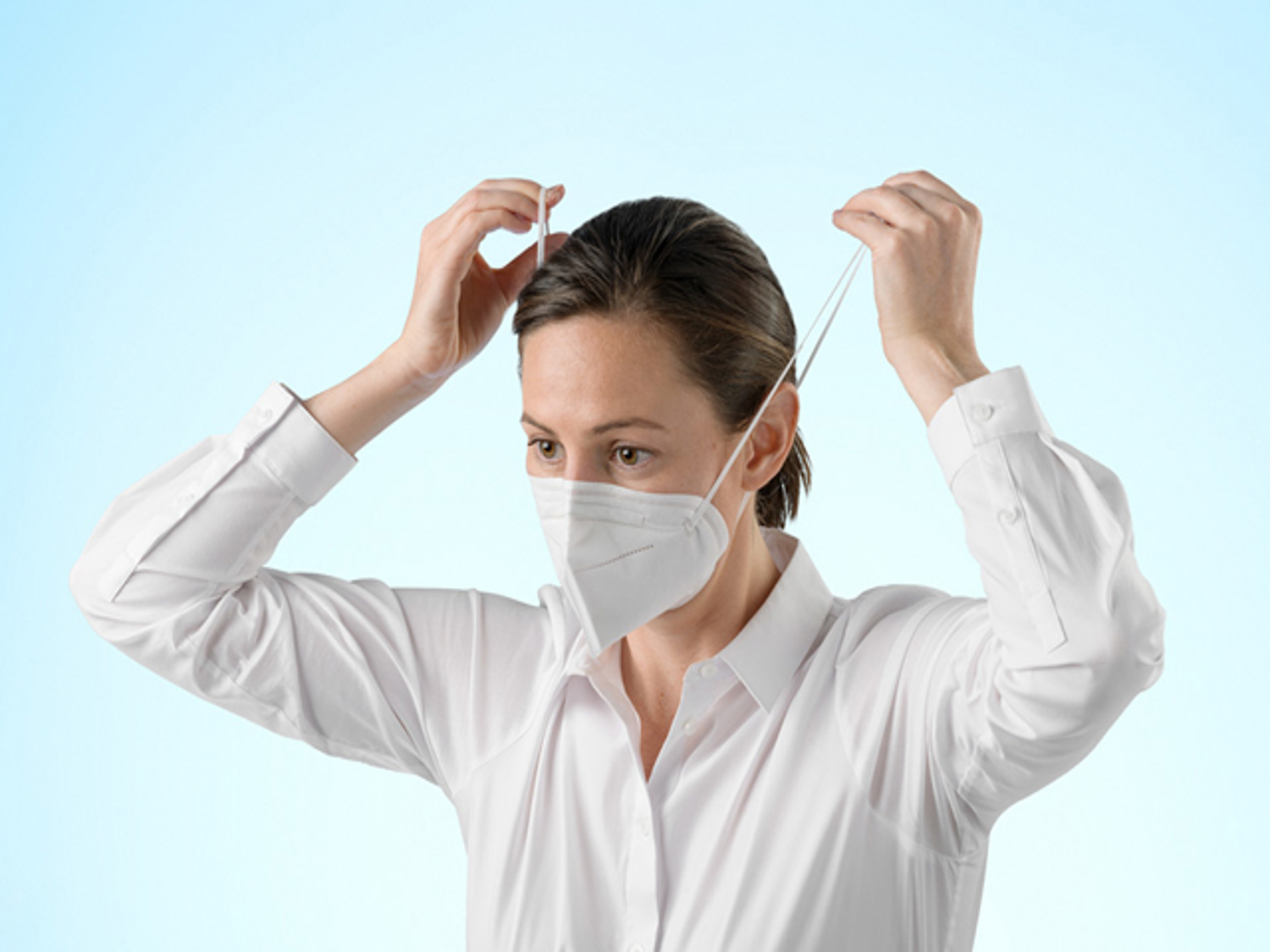
| P2 respirator | Tight-fitting and requires fit testing to ensure full protection. | Protect the wearer from airborne particles, including dust, aerosols, and non-oil particulates. | High - filters airborne particles, including fine aerosols. | Healthcare, clinical, travel, smoke-polluted, or allergen environments; higher-risk work requiring particulate filtration. |
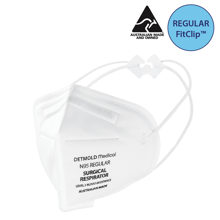
| N95 Respirators | Tight-fitting and requires fit testing to ensure full protection. | Protect the wearer from small particles, bacteria, and viruses. | High - filters airborne particles, including infectious agents. | Healthcare settings with potential exposure to blood, fluid splashes, or airborne infectious diseases. |
When do Australian guidelines recommend using a respirator instead of a mask?
Several key guidelines determine when respirators should be used instead of standard face masks across different settings.
The Australian Commission on Safety and Quality in Health Care (ACSQHC) recommends using a particulate filtration respirator (PFR) when the risk of airborne illnesses is high, as they offer a higher level of protection compared to other face masks.
In construction, mining, and other industrial settings, model WHS regulations place the responsibility on the person conducting a business or undertaking (PCBU) to assess the need for RPE and to provide both the equipment and the necessary worker training.
How can seasonal factors (like flu or bushfire smoke) affect mask use?
Influenza
Influenza and RSV seasons heighten the value of mask use in workplaces and public settings. Organisations may introduce temporary mask policies during outbreaks or peak seasons to protect their workers. To understand if there has been a peak in these viruses, consult health agency reports or seasonal trends.
Bushfires
When it comes to bushfires, P2 and N95 respirators offer meaningful protection from fine particulate matter in smoke. However, the wearer must complete professional fit testing to ensure the respirator forms a tight seal on the face.
Allergies
Some people may use face masks to reduce exposure to allergens and better manage symptoms. N95 respirators are often recommended for individuals with severe allergies due to their high particle filtration efficiency.
How do you choose the right type of mask for your environment?
Assess the risk
The first step in this process begins with assessing the risk. Consider environmental factors, such as ventilation, proximity to people, and the likelihood of airborne hazards. Once you’ve identified the risks, you’ll be able to determine the necessary control measures using the Hierarchy of Control.
Fit and comfort
While surgical masks are designed to cover the wearer’s mouth and nose, respirator masks must form a tight seal around the face to offer adequate protection. It’s for this reason that fit testing is required under the Australian/New Zealand Standard AS/NZS1715:2009 for all employees who wear tight-fitting respirators.
Certification and quality
For your safety and the community’s, it’s essential to use masks that meet Australian or international standards. Non-compliant products may not offer sufficient protection.
Detmold Medical’s Australian-made, certified masks are a dependable choice. TGA-approved products provide the strongest assurance that your mask delivers adequate protection.
Workplace policy alignment
To maintain alignment with workplace policies, organisations must carry out risk assessments and develop clear mask guidelines. These policies often vary depending on the industry, risk level, and proximity to others. In high-risk settings, like healthcare, aged care, and construction, masks or respirators may be required for staff and encouraged for visitors.
Protect yourself and the community with Detmold Medical
Face masks remain an essential tool for protecting yourself and others in the community. However, it’s vital to understand when and how to use them, as well as the difference between surgical masks and P2 and N95 respirators.
As a trusted and certified supplier of face masks and respirators, Detmold Medical has years of experience in protecting the Australian community. Explore our range of fit-for-purpose medical face masks and respirators today.