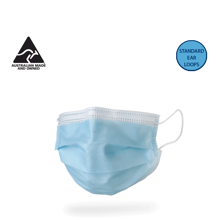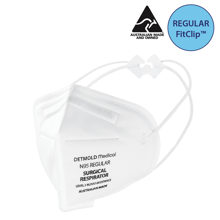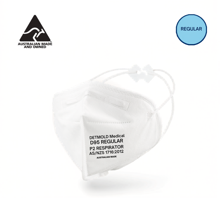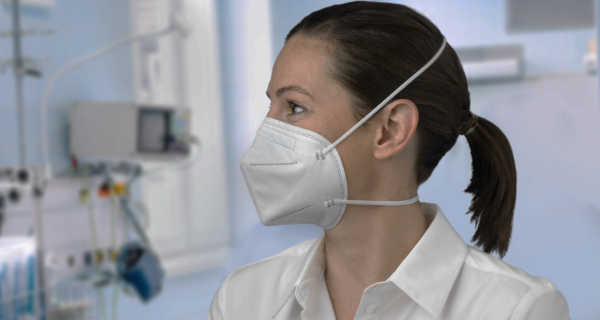



Face masks and respiratory protective equipment (RPE) are critical in protecting healthcare workers, safety officers, and the wider community. During the COVID-19 pandemic, they became an essential tool in reducing the spread of infection. Their importance has continued well beyond the peak of the pandemic as face masks remain a common precaution on public transport, during flu season, and in other high-risk environments, reinforcing their place in everyday health and safety practices.
To ensure masks remain effective and free from contamination, correct storage is essential. Whether you’re a healthcare worker, safety officer, or member of the public, the guidance below outlines best-practice face mask hygiene tips.
Why is correct storage important for face masks and respirators?
Face masks and respirators are designed to protect the wearer from airborne contaminants. However, incorrect storage can impact their effectiveness and performance. Proper storage prevents dirt, debris, damage, and contamination that compromise overall filtration performance.
It’s essential to store RPE in accordance with the manufacturer’s instructions to ensure the masks continue to provide the appropriate level of protection for you and the community. As one of Australia’s most trusted manufacturers of medical face masks and respirators, you can depend on Detmold Medical to take product quality seriously. However, it’s essential to follow the relevant guidelines for storing the equipment to ensure it provides the intended level of protection.
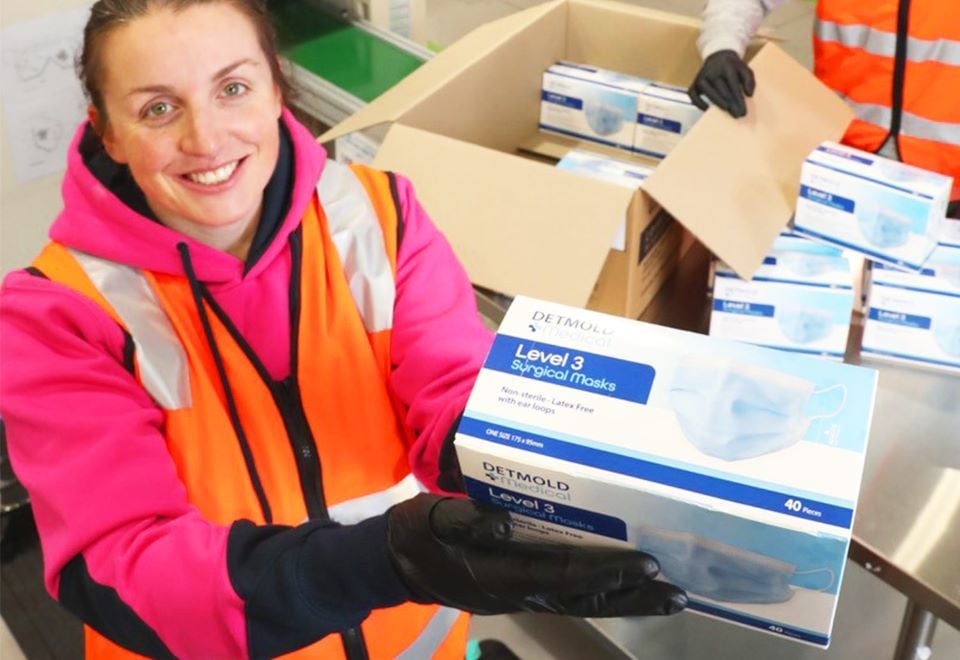
How should you store single-use masks during the day?
Best practices for temporary face mask storage
Single-use face masks shouldn’t be reused. Instead, they should be safely discarded after each use.
Follow these steps for safe removal:
1. Wash your hands or use sanitiser.
2. Remove using ear loops or ties without touching the front of the mask.
3. Pull the mask away from your face while leaning forward to ensure the mask doesn’t flick back onto your face.
4. Dispose of the mask safely.
5. Wash your hands or use sanitiser again once the mask has been removed.
If you need to store unused face masks throughout the day, we recommend keeping them in breathable paper bags or mask envelopes. It’s critical to ensure they’re kept dry and protected from crushing or folding to avoid compromising their performance.
What not to do
Avoid placing single-use face masks in pockets, handbags, on benchtops, or hanging loosely around your neck. It’s also important to avoid plastic containers that trap moisture, as this can also impact the effectiveness of your mask.
What’s the best way to store reusable respirators between uses?
At Detmold Medical, we recommend storing respirator masks in their original packaging. They should be kept away from potential contaminants, including dust, sunlight, heat, moisture, and chemicals, that could affect their effectiveness.
While many of Detmold’s face masks and respirators have a shelf life of five years, we recommend checking the expiration date printed on the outer packaging and using them within this timeframe.

Recommended storage methods
Below are some suggested storage methods for your RPE:
1. Create a dedicated RPE storage station and place masks in a sealed container for additional protection.
2. Store respirators away from dust, chemicals, extreme temperatures, and direct sunlight.
3. Keep masks in original packaging to ensure storage information and expiration dates are visible.
How can improper storage affect a respirator’s fit or filtration performance?
When you store a respirator incorrectly, you put yourself and those around you at risk of potential infection or exposure to harmful airborne contaminants.
For example, if a mask is damaged or deformed, like a crushed nose bridge or distorted face seal, it’s unlikely to provide the intended level of protection. Similarly, exposure to moisture, direct sunlight, and other contaminants can compromise the filter materials, reducing the respirator’s protective capacity.
Not only can improper storage lead to unsafe outcomes, but it could also result in compliance violations. For example, under Safe Work Australia’s model Work Health and Safety (WHS) Regulations, employers have a duty of care to provide their workers with appropriate RPE and instruction on how to store it correctly.
When should a stored mask or respirator be discarded?
Signs of contamination or damage
While it’s critical to prevent contamination or damage, sometimes it is unavoidable. In this situation, you need to know the signs for when masks or respirators should be discarded. Evidence that your face masks have been damaged may include:
● Visible soil, such as moisture, makeup, or biological contamination.
● Loss of structural integrity, including bent nose wires or broken straps.
If you notice these indicators, your RPE has likely been compromised and may need to be discarded and replaced with a fresh mask or respirator.
Time-based considerations
Length of use is another factor to consider when determining when to discard a single-use face mask or respirator. Single-use face masks and respirators should be replaced every four hours, or when they become moist, soiled, or damaged, whichever comes first.
Manufacturer guidance and safety policies
Don’t forget to follow the manufacturer's guidelines for safe mask storage and disposal. It’s also worth considering whether your employer or workplace has any additional requirements for the proper disposal of RPE.
Ensure safe storage to protect yourself and the community
Proper storage and care of your face mask or respirator ensures safety, comfort, and protective performance.
At Detmold Medical, we recommend following these best-practice storage guidelines:
- Store masks in their original packaging to retain important information such as storage recommendations and expiration dates.
- Keep masks away from contaminants, including dust, direct sunlight, extreme temperatures, moisture, and chemicals.
- Do not use masks that are damaged in any way.
Following these simple steps helps maintain mask integrity while ensuring you and those around you are adequately protected. For more information on storing our range of face masks and respirators, visit our resources hub today.