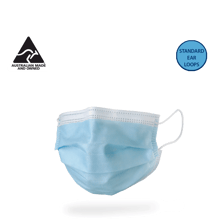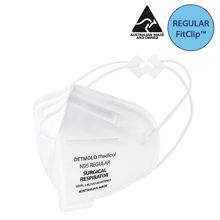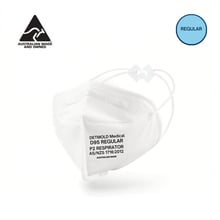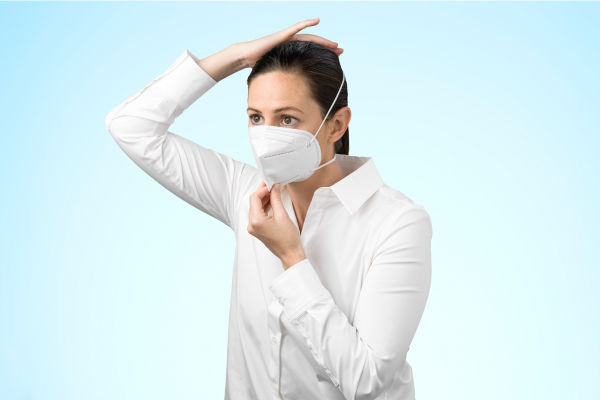



In personal protective equipment, quality is defined by compliance, testing and performance. From Level 2 and Level 3 medical masks to D95, N95 and P2 respirator masks, effective protection depends on rigorous standards, validated testing and consistent quality assurance processes designed to safeguard healthcare workers, industry professionals and the wider community.
Why Standards and Testing Matter in Face Masks and Respirators
High-quality face masks and respirators must comply with strict Australian and international standards to ensure they perform as intended in clinical and occupational settings. These standards establish minimum performance requirements and provide confidence that products are suitable for regulated use.
Commonly referenced standards include:
- AS 4381:2015 for surgical and medical face masks, including Level 2 and Level 3 masks
- AS/NZS 1716:2012 for respiratory protective devices, including P2 masks
- N95 performance requirements for surgical respirators
- ISO 13485 quality management systems for medical devices
- ARTG registration, where applicable, in line with TGA requirements
Together, these standards define critical performance measures such as bacterial filtration efficiency (BFE), particulate filtration efficiency (PFE), fluid resistance, breathability, and fit. All of which directly impact wearer safety and comfort.
In‑House Testing: Quality You Can Verify
While certification confirms compliance, in‑house testing plays a key role in sustaining quality over time. Internal testing supports regular validation of materials and finished products, helping to maintain consistency across production runs.
In‑house testing programs typically allow manufacturers to:
- Verify compliance with relevant standards
- Monitor performance over time
- Detect variations in raw materials or manufacturing processes
- Support product development and improvement
For regulated PPE, this level of oversight plays an important role in maintaining confidence among healthcare providers, procurement teams and end users
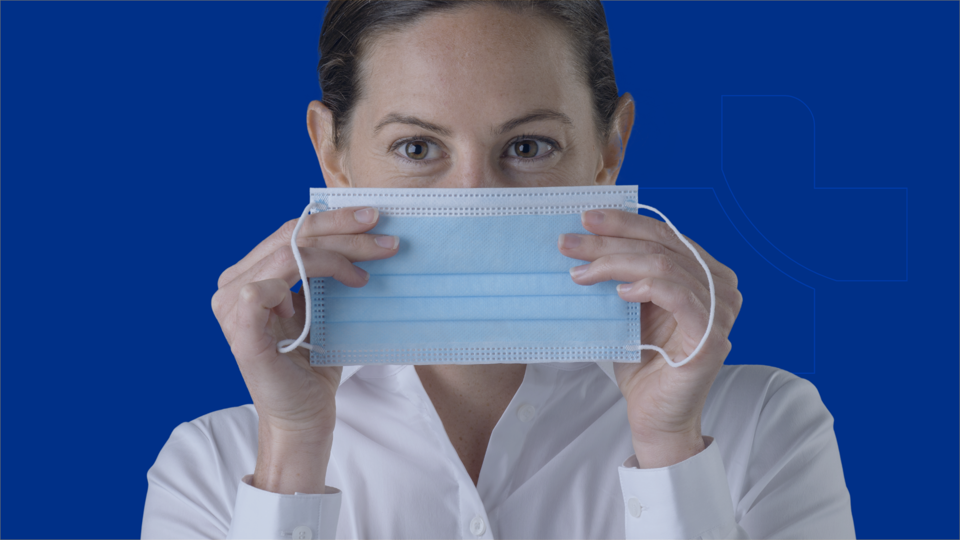
Level 2 and Level 3 Medical Masks Are Assessed For:
- Bacterial filtration efficiency (BFE)
- Breathability to support wearer comfort
- Fluid resistance, with Level 3 masks offering higher protection against blood and bodily fluid splash
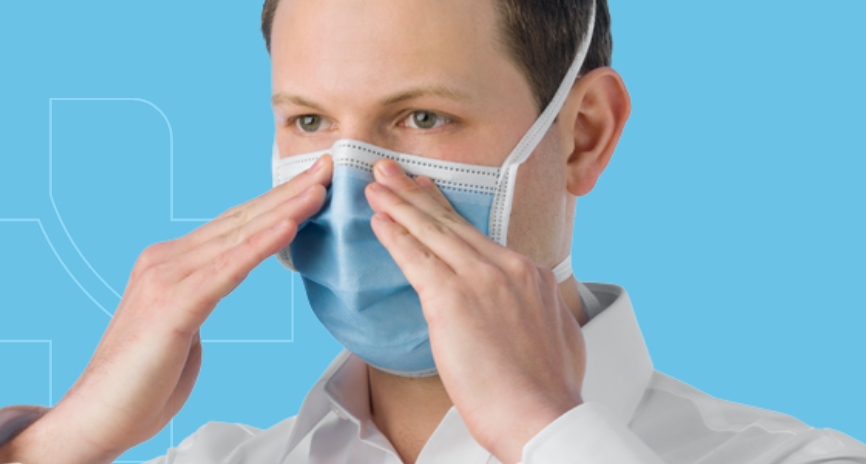
Respirators, Including D95, N95 and P2 Masks, Undergo Additional Testing For:
- Particulate filtration efficiency (≥95%)
- Total inward leakage and fit performance
- Inhalation and exhalation resistance
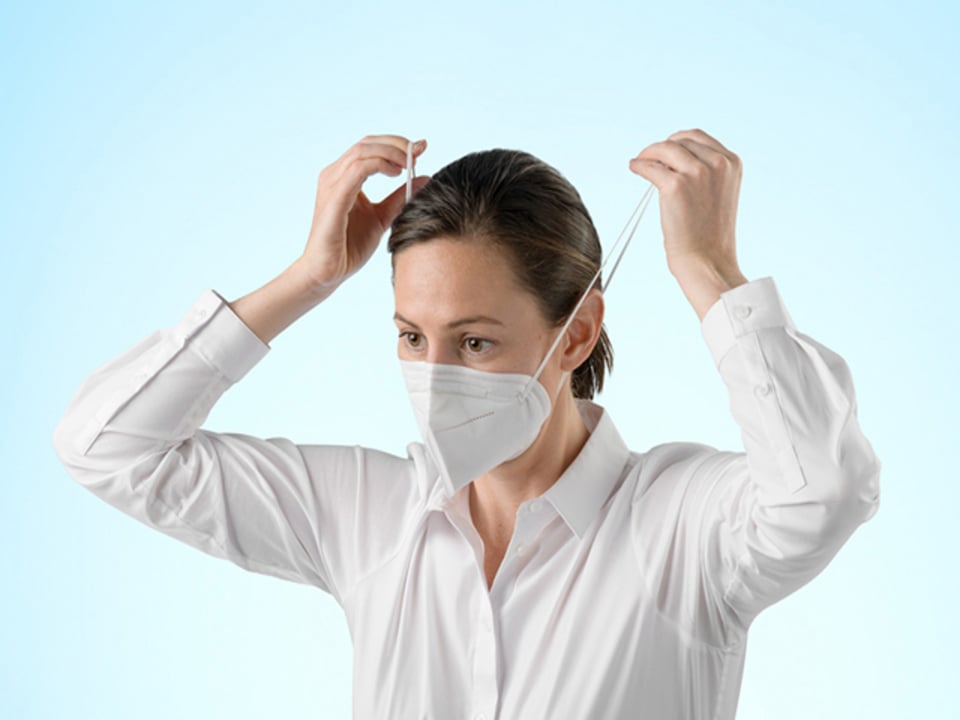
Surgical respirators combine both respiratory filtration and fluid resistance, making them suitable for high-risk clinical environments where airborne particles and fluid exposure are present.
Australian Made Masks, Without Compromise
For many healthcare and government buyers, Australian made masks and respirators offer added confidence through local manufacturing, regulatory alignment and supply security. Local production can reduce reliance on global supply chains while supporting consistent access to certified PPE during periods of high demand.
Australian manufacturing environments are typically designed to meet stringent hygiene, quality and documentation requirements, supporting compliance across healthcare and industrial use cases.
Quality You Can Trust
Quality assurance in PPE is built on more than a single test or certificate. It relies on standards driven design, repeatable testing, controlled manufacturing environments and documented compliance, all working together to ensure every mask performs as intended, every time.
This end‑to‑end approach is what gives healthcare providers, procurement teams and frontline workers confidence in the PPE they rely on every day.
At Detmold Medical, this approach to quality assurance is embedded at every stage of mask and respirator manufacturing. With Australian based production, compliance with relevant standards, and an in‑house testing laboratory supporting ongoing verification, Detmold Medical supplies Level 2 and Level 3 medical masks, D95, N95 and P2 respirators designed for safety, comfort and reliability.
Explore the Detmold Medical range to learn more about certified, Australian made PPE built to meet the demands of healthcare, industry and government.