

From 1 December 2026, Australia will officially transition from the long-standing Workplace Exposure Standards (WES) framework to the Workplace Exposure Limits (WELs) framework for airborne contaminants. This change follows a comprehensive review of exposure limits to better align with current scientific and health evidence.
For organisations across manufacturing, healthcare, construction, mining, logistics, food production, warehousing, and other industries, the transition is an important reminder that managing airborne hazards remains a critical part of protecting worker health.
This article explains what is changing, why it matters, and the practical steps workplaces should be taking now.
What Are Workplace Exposure Limits?
Workplace Exposure Limits (WELs) are the maximum allowable concentrations of airborne contaminants that workers may be exposed to in the workplace. These contaminants can include:
- Dusts
- Fumes
- Mists
- Gases
- Vapours

Many airborne contaminants are invisible, odourless, or difficult to detect without monitoring. Exposure can occur during routine tasks such as manufacturing, welding, mixing chemicals, cleaning, processing materials, or handling powders and particulates.
Why Is Australia Moving from WES to WEL?
The change is the result of a review undertaken by Safe Work Australia to ensure workplace exposure limits reflect contemporary health evidence and provide improved protection for workers. The previous exposure standards had not undergone a comprehensive review since 2003.
The term "Workplace Exposure Limit" was also adopted to reinforce that these values represent limits that should not be exceeded, rather than targets workplaces should work towards. The terminology aligns more closely with international approaches to occupational health and safety.
What Is Actually Changing?
Many employers assume the transition is simply a name change. While the terminology is changing from WES to WEL, some exposure limits have also been reviewed and updated.
The changes may affect:
- Existing exposure limits for certain airborne contaminants
- The way workplace risks are assessed
- Monitoring requirements
- Control measures used to reduce exposure
Organisations should review the new WEL list and identify which substances are used, generated, or stored within their operations.
Even workplaces that have historically complied with existing standards may need to reassess exposure levels where limits have been reduced.
Which Workplaces Could Be Affected?
The reality is that airborne contaminants exist across a much broader range of industries than many people realise.
Examples include:
Manufacturing
- Welding fumes
- Metal dusts
- Chemical vapours
- Plastic processing emissions
Construction
- Silica dust
- Concrete dust
- Wood dust
- Paint and coating vapours
Healthcare and Aged Care
- Disinfectant chemicals
- Sterilisation agents
- Pharmaceutical compounds
Warehousing and Logistics
- Battery charging emissions
- Vehicle exhaust fumes
- Cleaning chemicals
Food Manufacturing
- Flour dust
- Ingredient powders
- Cleaning and sanitation chemical
In many cases, contaminants may be present without being visible to workers.
What Do Employers Need to Do?
According to Safe Work Australia, employers should focus on three key areas during the transition period.
1. Identify Airborne Hazards
The first step is understanding which airborne contaminants may be present in your workplace.
Questions to consider include:
- What substances are used in daily operations?
- What contaminants are generated as part of work processes?
- Have any exposure limits changed under the new WEL framework?
- Reviewing Safety Data Sheets (SDS), risk assessments, and workplace processes can help identify potential hazards.
2. Assess the Risk
The Work Health and Safety Regulations require employers to ensure workers are not exposed to airborne concentrations that exceed the applicable limits.
This may require:
- Workplace exposure assessments
- Air monitoring
- Occupational hygiene testing
- Review of historical monitoring data
Without measurement and monitoring, it may be difficult to know whether workplace controls are effectively managing exposure.
3. Review and Strengthen Controls
The preferred approach remains eliminating hazards wherever reasonably practicable. When elimination is not possible, employers should follow the hierarchy of
Examples include:
| Control Type | Example |
| Elimination | Removign a hazardous process entirely |
| Substitution | Using a less hazardous chemical |
| Engineering Controls | Local exhaust ventilation, extraction systems |
| Administrative Controls | Safe work procedures, trainign, scheduling |
| PPE | Respirators and other personal protective equipment |
Where Does Respiratory Protection Fit?
Respiratory protective equipment (RPE), including P2 and N95 respirators, plays an important role in reducing worker exposure to airborne contaminants.
However, Australia's new WEL framework reinforces an important principle: respiratory protection should form part of a broader risk management strategy rather than being the only control measure. Safe Work Australia states that respiratory protection can be taken into account when determining compliance with exposure limits once higher-order controls have been implemented and the equipment is worn correctly.
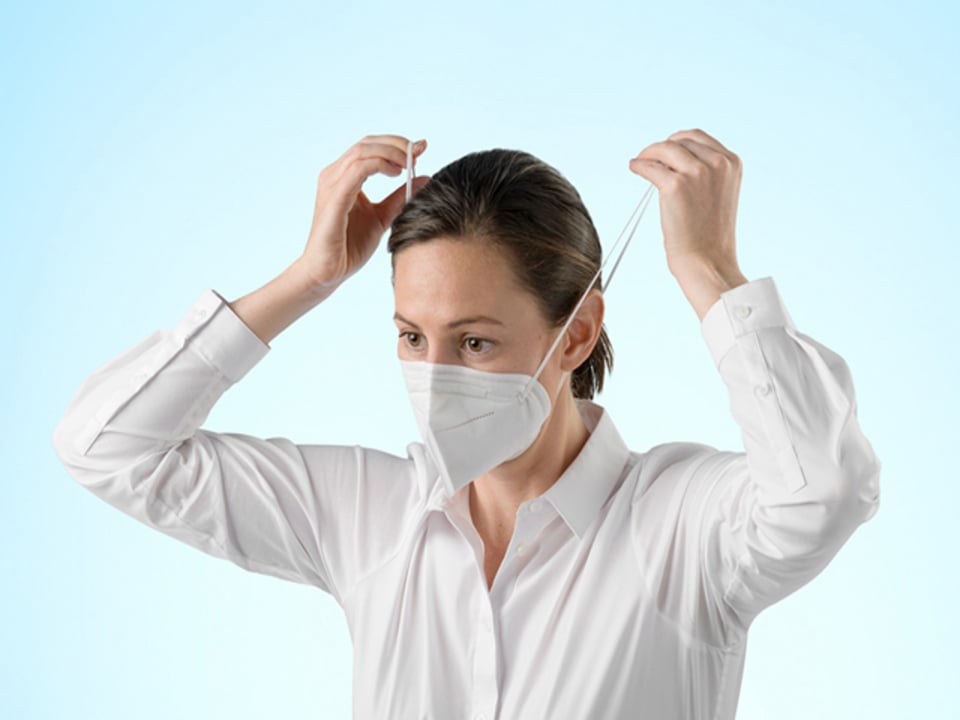
For organisations using respirators, considerations may include:
• Appropriate respirator selection
• Employee training
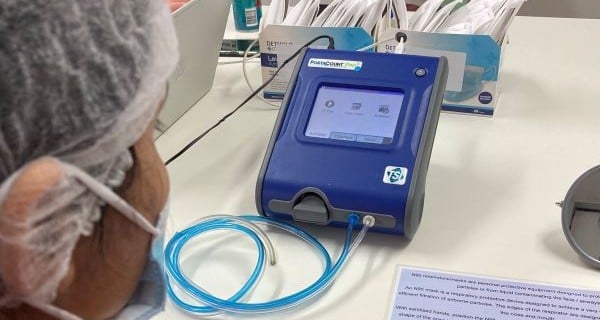
• Fit testing programs
• Ongoing compliance monitoring
• Respirator replacement and maintenance procedures
Why This Matters Beyond Compliance
Workplace exposure limits are often associated with compliance obligations, but their purpose is ultimately much broader.
Long-term exposure to airborne contaminants can contribute to occupational illnesses affecting the respiratory system and overall worker health. Effective management of airborne hazards helps organisations:
- Protect their workforce
- Reduce occupational health risks
- Maintain regulatory compliance
- Improve workplace safety culture
- Demonstrate due diligence
Importantly, Safe Work Australia notes that exposure limits are not a dividing line between safe and unsafe conditions. Individual workers may still experience adverse health effects at levels below the stated limit, reinforcing the need to minimise exposure wherever reasonably practicable.
Preparing for the WEL Transition
With the WEL framework now in effect from 1 December 2026, organisations should ensure they have:
- Reviewed the new exposure limits relevant to their workplace
- Identified airborne contaminants present in their operations
- Assessed potential exposure risks
- Conducted air monitoring where required
- Reviewed existing engineering and administrative controls
- Evaluated respiratory protection programs and worker training
- Updated workplace risk management documentation
Organisations that take a proactive approach will be better positioned to protect workers and meet their ongoing work health and safety obligations.