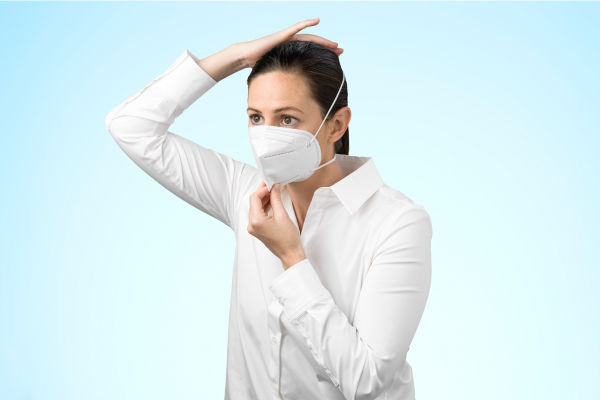



Respirator masks are essential for providing respiratory protection in high-risk environments. From blocking infectious airborne particles in hospital settings to protecting against hazardous dust on construction sites, respirator masks can be used across a variety of settings.
That said, not all respirator masks are created equal. Not only are there different levels and types of respirator masks, but some masks also feature exhalation valves. Ahead of the upcoming launch of Detmold Medical’s newest tri-panel value respirator mask, we’ll be exploring the role of exhalation valves, including what they are, their benefits and when to use them.
What is an exhalation valve?
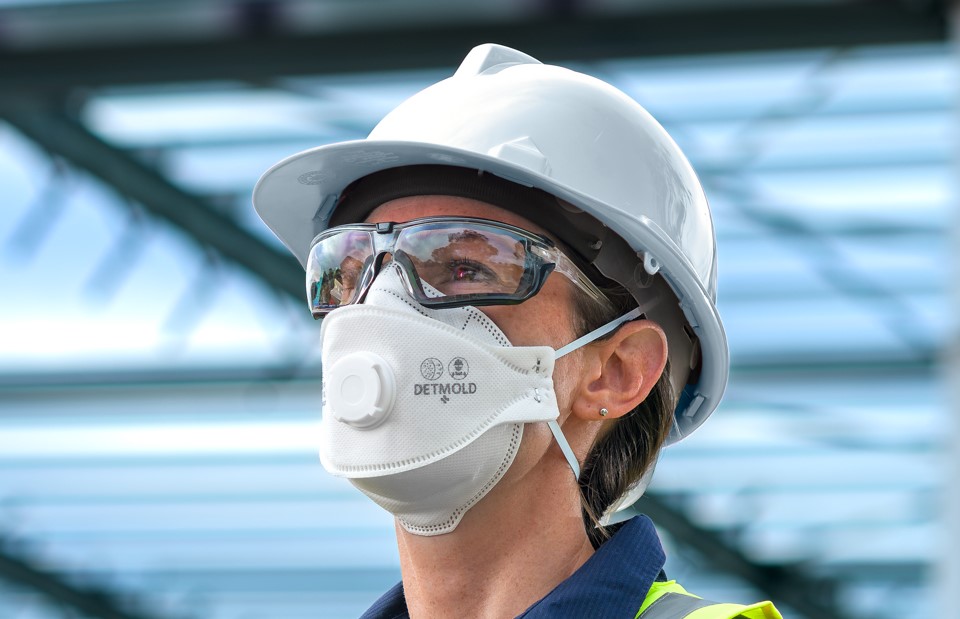
An exhalation valve is a one-way valve that’s designed to release exhaled breath. Typically located on the front or side panel of the respirator mask, valves work to reduce exhalation resistance, making it easier to breathe out while wearing a respirator mask. By making it easier to exhale, these respirators typically accumulate less heat and moisture, often making them more comfortable than a standard respirator without a valve.
While respirator masks are often used to protect the wearer and those around them, it’s important to note that valved respirators aren’t designed to filter exhaled air. With this in mind, they should only be used in specific situations.
Understanding the difference: Respirators with vs without valves
Respirator masks are usually available with and without exhalation valves. Valved respirators are typically more breathable. The valves almost act like a pressure-release button, reducing heat and moisture as you breathe out. Alternatively, non-valved respirator masks filter both inhaled and exhaled air, making them useful for source or infection control purposes.
Detmold Medical’s new tri-panel valve respirator is designed for comfort without compromising on protection for the wearer, making it ideal for use in industrial settings.
When and why to use a respirator with a valve
Valved respirator masks are designed to offer the same level of protection to the wearer against hazardous particles as non-valved respirator masks. However, as the exhaled air isn’t filtered, they’re not appropriate for sterile environments or preventing the spread of infection in settings like hospitals or aged care facilities. Instead, valved respirators are best suited for:
- Construction and industrial sites where workers are exposed to dust, silica and other hazardous particles under heavy exertion,
- Manufacturing and warehouse facilities, and
- Non-sterile medical or dental settings that require long wear time.
If you’re choosing a valved respirator mask for a specific workplace, be sure to check that it aligns with the workplace health and safety requirements around dusty environments. This is especially important if you’re working with hazardous dusts, like silica.
Valved respirators offer several key benefits that set them apart from standard respirator masks. For one, their increased breathability often makes them more comfortable to wear over long periods of time. Not to mention, the exhalation valve helps to reduce fogging when paired with glasses and face shields. Finally, an exhalation valve often makes for easier breathing in hot or humid conditions.
Who shouldn’t use valved respirators
While valved respirators offer excellent protection against harmful airborne particles, they’re not suitable for all settings. Don’t use a valved respirator in:
- Medical settings where protecting patients from exhaled air is essential.
- Infectious disease scenarios (e.g. COVID-19 wards). Areas requiring filtered exhaled breath for source control purposes.
For any situations that call for dual protection for both the wearer and those around them, always opt for a non-valved respirator mask.
Why valve design matters: Comfort, fit and performance
Not all exhalation valves are created equal. The design, placement and integration of the valve can make a notable difference to how effective and comfortable a respirator is during extended use.
A well-designed valve promotes smoother airflow, reducing the resistance felt when exhaling. This can help ease fatigue for workers wearing respirators over long shifts, especially in hot or physically demanding environments like construction or manufacturing.
Fit is equally important. Poorly placed or bulky valves can interfere with the respirator’s seal, compromising protection. It’s for this reason that Detmold Medical’s new tri-panel valve design focuses on ergonomic design using soft, flexible materials that mould to the wearer’s face. A tight, secure fit ensures a reliable seal around the nose and mouth, while the tri-panel structure enhances freedom of movement and communication.
Ultimately, a smart valve design doesn’t just make breathing easier. It supports safety, compliance and all-day wearability.
Stay safe with Detmold Medical’s new Australian-made tri-panel valve respirator
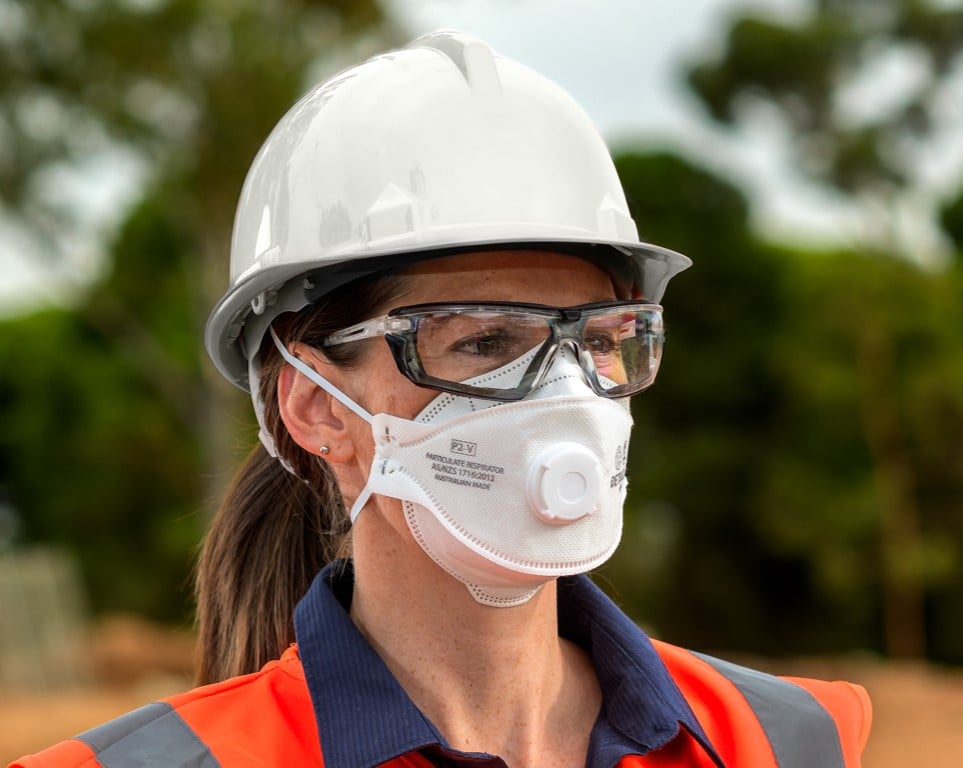
Valved respirator masks offer enhanced breathability and comfort in non-sterile, high-particulate environments, like construction, manufacturing and mining. When it comes to choosing the right mask, be sure to consider the task, setting and safety requirements.
Detmold Medical’s new tri-panel respirator offers an innovative solution for industrial professionals in need of comfort and compliance. Contact us for more information or explore our current range of non-valved respirator masks.