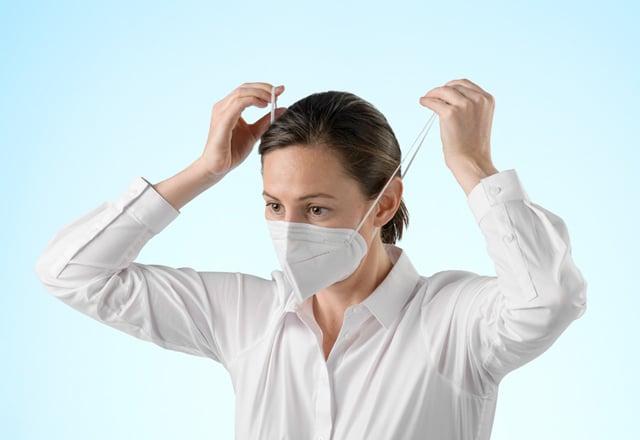



High-stress environments such as ICU wards, aged care facilities, and emergency departments demand more than just clinical capability. They require robust personal protective equipment (PPE) systems that safeguard both physical and psychosocial well-being. In these settings, PPE is not merely a physical barrier against harm; it also plays a critical role in protecting workers from psychosocial risk.
In these situations, workers are presented with many emotionally demanding environments. In recent years – particularly during the COVID-19 pandemic – first responders and frontline healthcare workers faced intense emotional strain, workforce shortages, and sustained operating pressure.
PPE is therefore no longer just a compliance requirement. It’s a critical psychosocial safety measure, protecting workers from negative mental health impacts such as anxiety, burnout, or isolation. Ultimately, providing correct PPE and adequate training supports positive well-being and care quality in high-stress care environments.
What psychosocial risk looks like in aged care and mental health settings
In aged care and mental health settings, workers are more susceptible to burnout, infection, high emotional labour, and physical violence. While the following psychosocial hazards are prevalent in high-stress care environments, they also form part of modern WHS regulations in Australia.
High emotional load
In these environments, workers are continuously exposed to distress, grief, and behavioural challenges. Additionally, they’re responsible for vulnerable residents and patients, which often adds to the stress of their work. Workers may face workforce shortages due to burnout and, as a result, feel additional pressure from moral challenges, which may lead to more errors and lower-quality care.
.
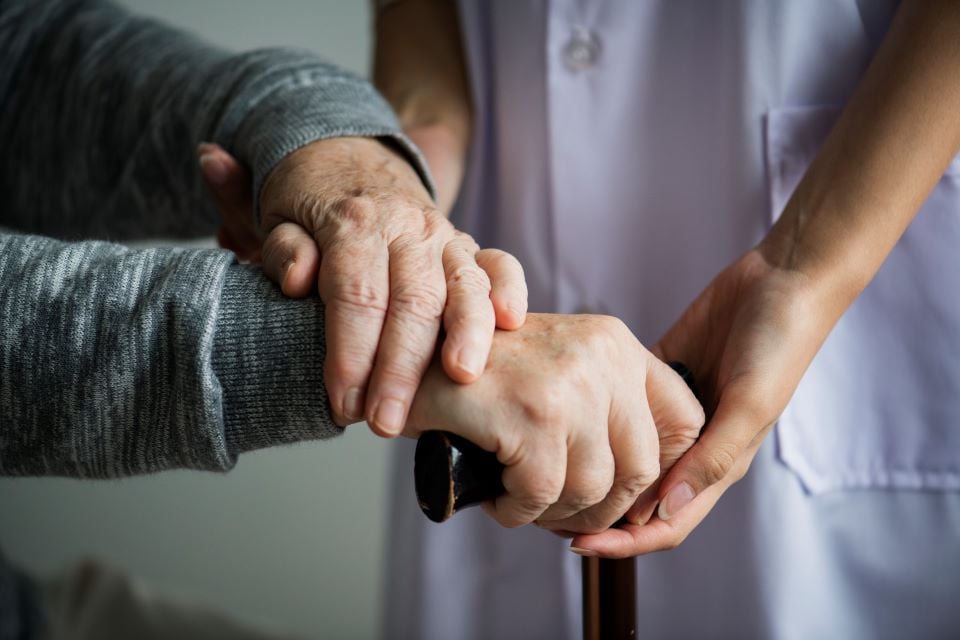
Infection risk anxiety
Being frontline workers comes with the anxiety of infection, particularly the worry around bringing illness home to the family. The COVID-19 pandemic presented a large amount of uncertainty, with frequent emerging threats and a large number of fatalities. As a result, there was heightened vigilance amongst workers in close-contact care, adding to the stress of an already high-pressure environment.
Fatigue, burnout, and constant vigilance
Workers regularly experience fatigue, burnout, and a constant need to remain aware of their surroundings. In these environments, they face shift work and staffing pressures, resulting in cognitive overload at capacity. Coupled with this are ever-evolving health and safety regulations.
Frontline workers frequently make decisions that contribute to sustained stress. When they’re unsure what to do next, their confidence can erode. This stress and reduced self-belief can lead to negative outcomes in a healthcare setting.
Where PPE fits into psychosocial safety
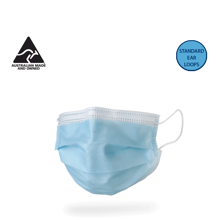
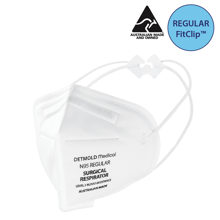
Not only does PPE protect workers physically, but it also has a direct psychological impact. The effectiveness of PPE relies heavily on user factors and comprehensive workplace training that highlights its role in protecting healthcare workers in high-stress environments. Poorly understood PPE increases anxiety and hesitation in the workplace, leading to greater risks of mistakes and reduced quality of care.
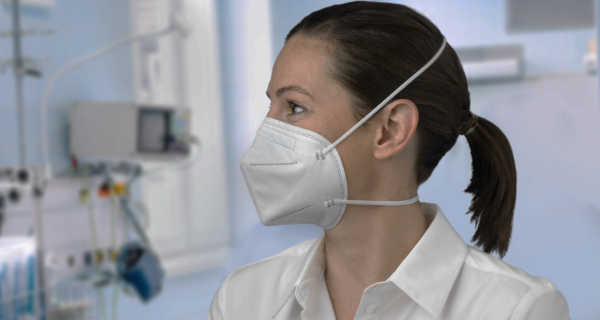
Uncomfortable or unfamiliar PPE undermines confidence and performance. When equipment is ill-fitting or uncomfortable, it can reduce visibility or mobility, creating uncertainty and anxiety about PPE. This further increases the cognitive load on healthcare workers, who are already operating at capacity in a high-stress environment.
Rather than protecting the worker and alleviating safety-related anxiety, PPE becomes a source of stress. This is where mitigation strategies, such as extensive training and information sharing on PPE, become critical.
The importance of PPE training
Familiarity creates psychological reassurance
Regular, in-person training builds muscle memory and reduces panic in urgent situations. It helps workers feel confident in new and existing PPE. Confidence enables staff to focus on care rather than self-protection.
Fit, comfort, and correct use reduce fear
Selecting comfortable, well-fitting materials and conducting proper fit testing prevent discomfort and distraction. Seeking feedback from your workers on what is uncomfortable may also help identify areas of non-compliance.

Clear processes reduce decision fatigue
Empowering workers through clear processes helps reduce decision fatigue by providing clear guidance on what to wear, when, and how. During unexpected outbreaks or pandemics, there is less misunderstanding and confusion, transforming PPE from simply being physical protection into a psychological safety net.
Best-practice PPE training principles
Fit testing as standard practice
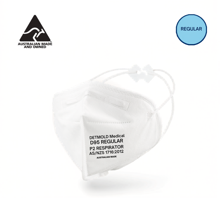
Fit testing is essential, especially for tight-fitting respirators such as P2 masks. Under WHS laws, fit-testing is mandatory in Australia. Mandated by SafeWork SA, fit testing is required before initial use and annually to ensure the ultimate protection of workers. This standard practice ensures effectiveness and comfort while building trust in PPE.
Regular refresher training
While re-training ensures workers are up to date with new protocols, it’s also crucial for maintaining their current skills and knowledge. Regular refreshers keep staff aligned with evolving standards and the latest PPE. It normalises PPE use rather than just reserving it for crises.
Clear guidance during outbreaks or peak risk periods
Competent and knowledgeable workers should be the goal – regardless of external outbreaks. However, during outbreaks or peak risk periods, simple, consistent messaging remains important. Visual aids and checklists minimise confusion during rapidly changing environments and reinforce the understanding workers already hold. During more stressful periods, psychosocial risk is managed positively as workers are confident in their knowledge and skills.
Why this matters for employers and WHS leaders
WHS obligations now explicitly include psychosocial risk management. Inadequate training can contribute to psychological harm, not just physical exposure. Strong PPE training supports safer care outcomes, workforce stability, and organisational resilience during a crisis. Overall, well-trained workers typically experience lower anxiety, greater confidence, higher retention, and improved morale.
Not just for safety, but for peace of mind
PPE doesn’t just protect workers physically; it’s also critical for psychosocial safety. Adequate PPE training reduces uncertainty, fear, and cognitive overload. In emotionally demanding roles and high-stress environments, confidence can provide as much protection as the right PPE. Investing in structured, ongoing PPE training meets WHS obligations, supports mental wellbeing, and strengthens trust.