


JN.1 Coronavirus Strain: Single-Use Mask and Respirator Protection
The past few months have seen COVID cases and hospitalisations sharply increase as Australia experiences another wave linked to an emerging variant, JN.1. Experts are already suggesting that this strain is likely to be responsible for most of the COVID-19 infections throughout 2024.
Feeling unwell, not being able to function properly and missing out on life is not something to aspire to. Here are some facts about the JN.1 variant and how single-use face masks and respirators can help protect against infection.
What is the JN.1 variant?
Since the world first learned about the COVID-19 outbreak in late 2019, the original COVID strain has undergone many mutations to create variants and subvariants.
The JN.1 variant first appeared in select cases across Australia towards the end of 2023, but it was first detected in the US in September of 2023. Since then, it has quickly spread across the globe.
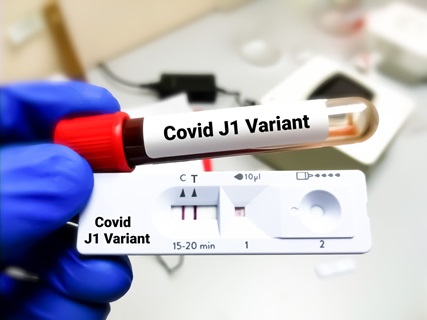
The JN.1 variant is a descendant of the Omicron strain. It has evolved from the Pirola variant which also emerged throughout 2023. The JN.1 strain is known for its multiple spike protein mutations. While it is still early days for this latest strain, the JN.1 variant has been classified as a variant of interest (VOI) by the World Health Organisation (WHO).
Is the JN.1 variant more dangerous?
It is still too early to tell whether the JN.1 variant is more dangerous than other strains however, infections and hospitalisations have noticeably increased. With this in mind, it is important to always approach new COVID strains with caution and protect yourself where possible.
Signs and symptoms of the JN.1 variant
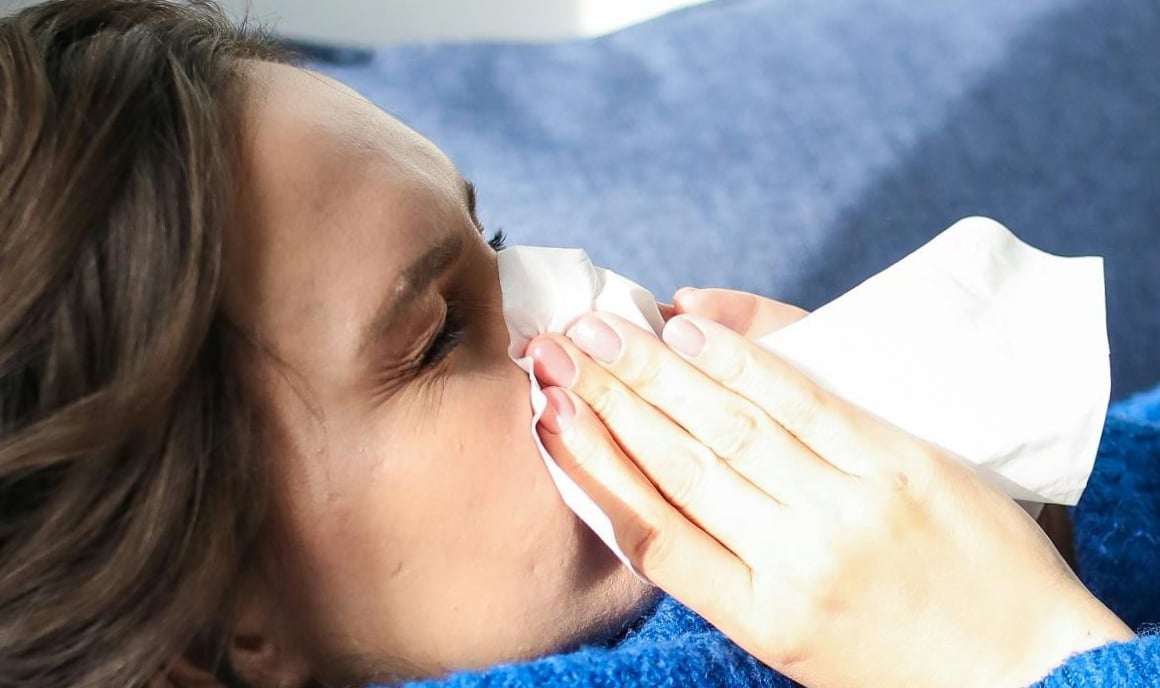
While the signs of the new JN.1 variant can vary across different people, common symptoms include the usual COVID suspects, like a runny nose, congestion, sneezing, fever, chills, and a cough. Some people may also experience increased levels of fatigue or exhaustion, body aches, headaches, and a sore throat.
Although the signs and symptoms of the latest variant are much the same as previous COVID strains, it seems as if it might be better at evading our immune system. Not to mention, it appears that this variant is even more transmissible than previous strains, which has led to its rampant spread across many countries, including Australia.
Can you and your loved ones afford the time to be sick and miss out on school, work and fun?
How to protect yourself against infection
As this new wave of COVID continues to roll out across Australia and the globe, it is important to continue to practice the all too familiar protective measures like:
Hand hygiene: Regularly wash your hands with soap and water or use hand sanitizer, that is made from over 60% alcohol or 70% isopropanol. Avoid touching your face, especially around your eyes, nose and mouth.
Physical distancing: When possible, maintain a physical distance of at least 1m from people outside your household. It is generally recommended to avoid large gatherings, especially in enclosed spaces.
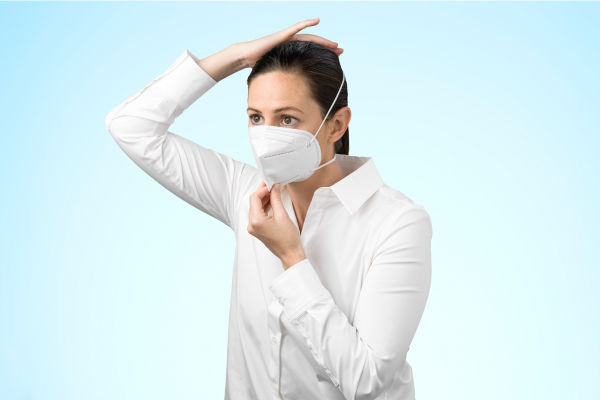
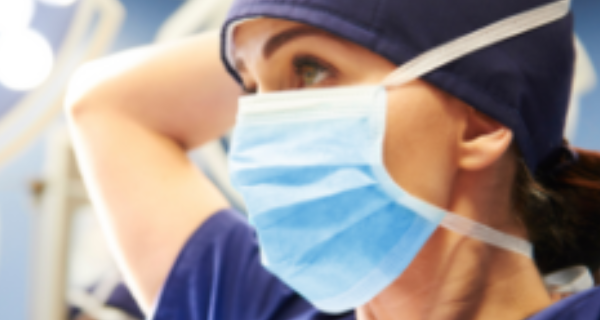
Face masks and respirators: If physical distancing is not possible, then use a single-use face mask or respirator. These can act as a physical barrier between you and infectious airborne particles and also reduce the spread of disease.
Isolation: If you or someone in your household test positive to a COVID or FLU strain, it is important to isolate.
Always be sure to keep up to date with developments and local health guidelines in response to a new wave.
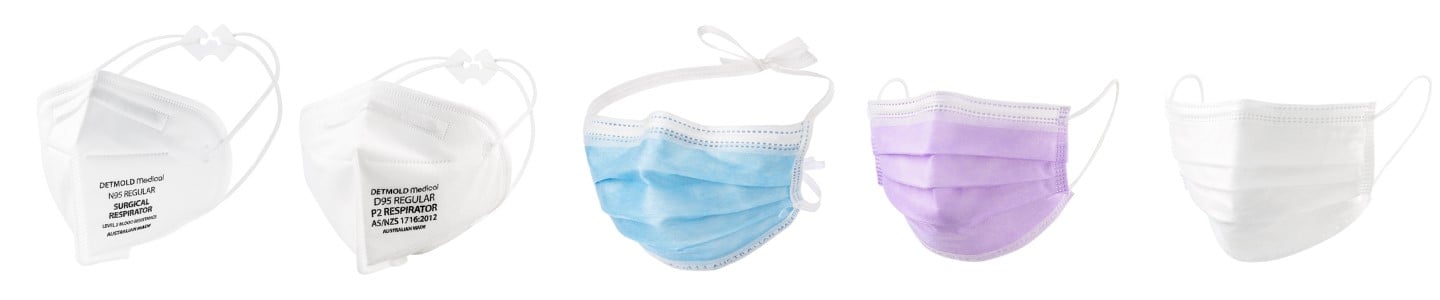
Spread prevention with Detmold Medical masks and respirators
Detmold Medical is based in Adelaide, South Australia and manufactures and distributes single-use face masks and respirators offering a range of high-quality respiratory protective equipment (RPE). We proudly supplied frontline health workers with much-needed face mask PPE during the pandemic and we continue to manufacture and supply a range of face masks and respirators. From 3-ply community face masks to N95 single-use surgical respirators, our range has been designed to provide various levels of protection to suit most requirements.
Use our face mask comparator to find a mask or respirator that suits your specific needs or shop the range today.
Best Masks for COVID Variants: JN.1, XEC and Respiratory Protection in Australia
COVID variants continue to evolve
With COVID-19 cases still being reported – albeit at lower numbers than in prior years – proactive protection remains important for keeping the community safe.
And while it may feel like we’ve moved beyond the COVID-19 pandemic, respiratory illnesses continue to circulate globally, including evolving Omicron-derived variants. The JN.1 strain, first identified in late 2023, became one of the most widely spread Omicron subvariants. Since then, many newer mutations, including XEC and other recombinant lineages, have emerged from the JN.1 lineage.
What is the JN.1 variant?
JN.1 is an Omicron subvariant descended from BA.2.86 (“Pirola”). It was classified by the World Health Organisation as a Variant of Interest (VOI) during its global spread, and it is present worldwide. Like other COVID-19 variants, this strain is known for high transmissibility, immune-escape mutations, and generally similar severity to other Omicron mutations.
While there are multiple descendant lineages and recombinants have emerged over the years, including XEC, KP.3, LP.8.1, and NB.1.8.1, respiratory protection and guidance still remains the same. Proactive protection remains critical years on from the global pandemic.
JN.1 variant symptoms
The symptoms of JN.1 variants include a runny nose, congestion, sneezing, fever, chills, and a cough. On top of this, some people might experience fatigue, body aches, or shortness of breath. Less common still are a loss of taste or smell, shortness of breath, and gastrointestinal symptoms.
The important point here is that symptoms can range from mild to severe and may vary depending on vaccination status, age, and underlying health conditions. Nothing should be left to chance, which is why face masks and respirators are critical for community protection.
Mask and respirator protection: What works against COVID variants
Face masks and respirators continue to offer effective protection even as variants evolve, with variants changing spike proteins rather than particle size. SARS-CoV-2 spreads via respiratory droplets and aerosols, which can be filtered out by appropriate face masks and respirators.
Choose the right level of mask
Choosing the right level of mask can be difficult. Here’s an overview of the different mask types, filtration, exposure level, fit, usage, and what each is best for.
| Mask Type | Filtration | Fit | Usage | Best for |
| Community mask | Low–moderate | Loose | Single use | General public, low-risk settings |
| Surgical mask | Moderate (droplets) | Loose | Single use |
Healthcare, symptomatic individuals |
| P2/N95 respirator | High (aerosols + droplets) | Tight Seal | Single use | High-risk environments, vulnerable people |
How to protect yourself from COVID variants
Ensure proper fit
Ensuring a proper fit is one of the most critical parts of choosing a face mask. While the fit generally depends on the type of mask you’re using, at a minimum, all masks and respirators should have a nose bridge adjustment area for a snug fit. Both face masks and respirators should completely cover your nose, mouth, and chin. If air leaks when you exhale or your glasses start to fog, it’s a sign the fit needs adjusting.
Respirator masks are designed to create a tight seal across your face. There should be no gaps around your cheeks or chin, and facial hair should be neat and tidy to ensure the seal is effective.
Follow single-use guidelines
Surgical masks and many respirators are single-use devices. All masks, including medical and surgical masks and respirators, should be replaced if they become damp, soiled, or have been used for an extended period. Failure to undertake these steps will limit their effectiveness.
Combine with other measures
While masks and respirators can help prevent you from catching a respiratory illness, it’s important that other prevention measures are taken to avoid sickness. These measures include annual flu vaccines, proper hand hygiene, staying home when you’re sick, and ensuring rooms are properly ventilated, especially during flu season.
FAQ: Masks and COVID Variants
Does an N95 protect against the JN.1 variant?
An N95 respirator can be worn as a preventive measure against JN.1. It should be used alongside other measures, including staying up to date with COVID-19 vaccinations and practising strict hygiene measures, such as washing your hands and avoiding touching your face or mouth after being in a public space.
Is a surgical mask enough for COVID?
Surgical masks offer good protection, but are not as effective as P2/N95 respirators. These should be used as a higher protection measure and in higher-risk environments.
What is the difference between an N95 and a P2 respirator?
Both N95 and P2 respirator masks protect a wearer from airborne particles such as pathogens, bushfire smoke, and respiratory droplets. P2 respirators filter out 95% of particles; N95 respirators filter out 94% of particles.
What is a TGA-approved face mask?
TGA-approved masks are listed on the Australian Register of Therapeutic Goods and must meet specific standards for filtration and fluid resistance. Detmold Medical masks are TGA-approved.
Do masks still work against new COVID variants?
Face masks continue to protect against COVID-19 and its variants. It’s critical to understand how they should be fitted and which types of masks to choose, depending on your environment.
About Detmold Medical
As a trusted Australian manufacturer, Detmold Medical proudly supplies frontline workers with compliant and reliable PPE designed to meet AS/NZS 1716 respiratory protection standards and AS 4381 medical mask standards. Our products are TGA-registered medical device products.
Prioritise protection with Detmold Medical
COVID-19 strains are still lingering within society, so it is critical to remain vigilant and cautious, especially during peak flu season. While COVID-19 remains a part of society, we recommend understanding the types of face masks and when to use them.
Explore Detmold Medical’s range of respirator masks and surgical face masks for compliant, effective protection against all respiratory illnesses.