


Employers have a legal duty under WHS legislation to eliminate or minimise risks, such as airborne hazards. Within the hierarchy of controls, personal protective equipment (PPE) and respiratory protective equipment (RPE) are often used as a last resort to protect workers from inhaling harmful airborne particles. With this in mind, it’s essential to ensure that the PPE you select provides adequate protection against the hazards and risks you’ve identified through a thorough risk assessment.
As one of Australia’s most trusted manufacturers of high-quality face masks and respirators, Detmold Medical is proud to deliver compliance education to support informed selection and use of respiratory protective equipment.
What are airborne contaminants? Understanding the risk landscape
Airborne contaminants encompass a range of hazardous substances, including dusts, fibres, fumes, aerosols, and pathogens. These contaminants can present serious health issues if correct control measures, such as wearing the right RPE, fail to be implemented. Many contaminants are invisible or odourless, so hazards must be managed with appropriate protective equipment.
Airborne contaminants aren’t considered a ‘single-risk’ category due to the vast nature of the type, behaviour, and severity of health risks they can pose. With this in mind, it’s essential to tailor PPE to suit different hazard types:
- Biological hazards include living organisms and microorganisms, such as viruses, bacteria, mould, or spores. Under the right conditions, these hazards may spread and result in infection, allergy, or even toxicity.
- Chemical hazards result from chemical reactions or industrial processes, often in the form of vapours, gases, fumes, or mists. These hazards can cause irritation, toxicity, or even terminal illnesses, like lung cancer.
- Mechanical/physical hazards are often caused by industrial activities, such as crushing, cutting, or sanding, which release dust, asbestos, or metal shards into the air. If inhaled, these contaminants can cause serious illness or chronic disease.
Why ‘adequate’ PPE is often misunderstood
One of the main misconceptions surrounding the use of PPE is that employers can take a ‘one size fits all’ approach to respiratory protection, regardless of the environment and the hazards present. Instead, it’s crucial to match the mask to the risks to ensure your workers are adequately protected.
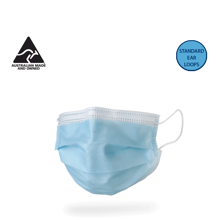
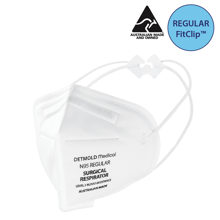
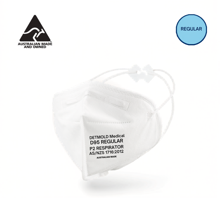
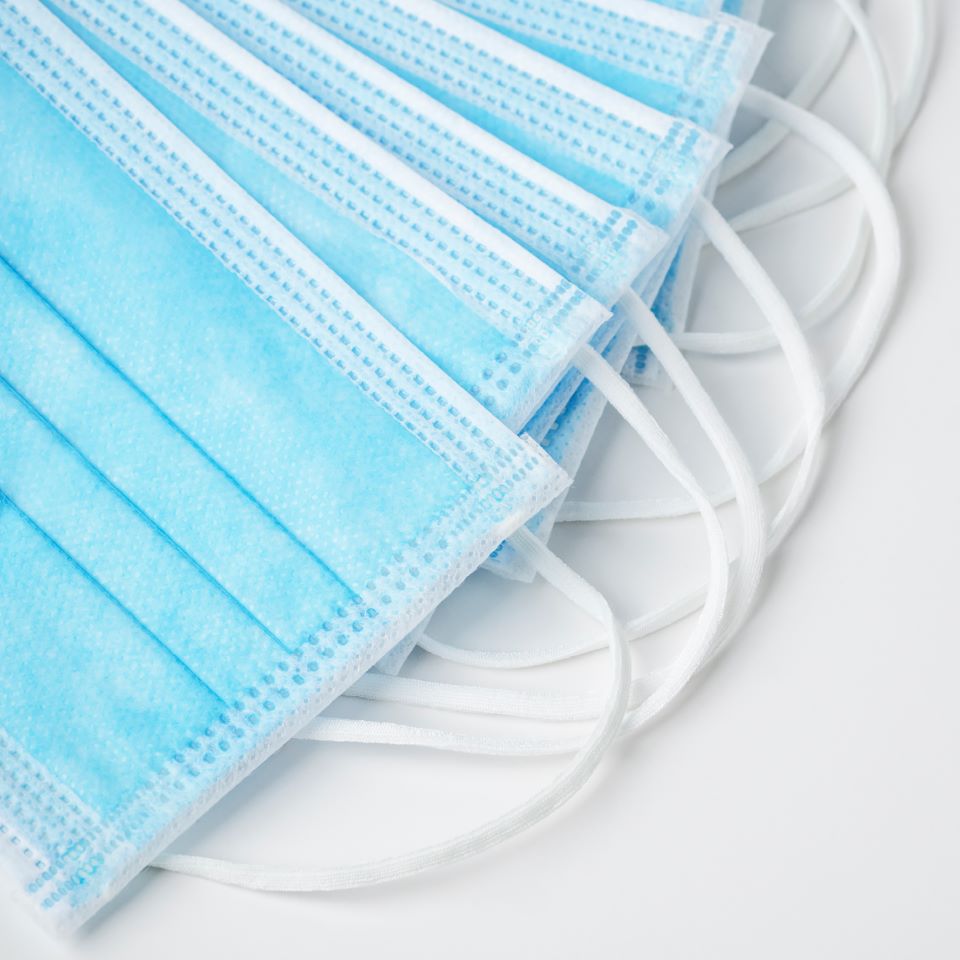
For example, N95 respirators are generally best suited to protect against small particles, bacteria, or viruses in hospital, healthcare, and clinical environments that conduct fit-checking procedures. On the other hand, P2 respirators protect against dust, aerosols, and non-oil particles, making them better suited to industrial settings and construction sites. Lastly, surgical masks protect against splashes and sprays while providing source control, so they’re often recommended for healthcare environments, dental clinics, and aged-care facilities.
How employers should assess PPE adequacy
Assessing PPE for adequacy can be broken into key steps outlined below.
Nature of the contaminant
The type of containment – biological, chemical, or particulate – will dictate what PPE you choose. You should also consider the concentration and hazard level.
Exposure duration
The duration of a worker's exposure to a hazard directly affects risk. Short-term exposure might require lower levels of protection, whereas prolonged exposure will require higher-grade PPE.
Work environment
Various work environment factors, such as ventilation, temperature, humidity, and the role's physical demands, will inform the PPE required. Poor ventilation could increase airborne contaminant levels. Hot environments can affect the seal of a tight-fitting respirator, whereas cold environments can cause the mask material to stiffen.
User fit and training
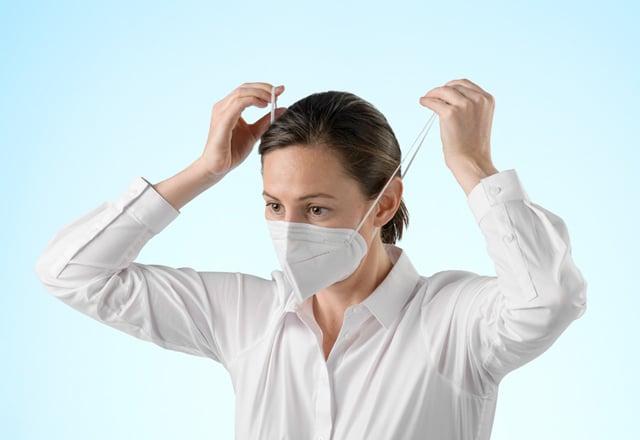
Employers must also provide their workers with education around user fit and training. When workers understand the limitations of different PPE and correct donning and doffing procedures, there’s often less chance of user error and exposure to hazardous airborne contaminants. Investing in staff training alongside providing the appropriate PPE will result in a safer workplace.
Remember, PPE and RPE should always be used as a last line of defence under the hierarchy of control.
The role of standards and fit testing in respiratory protection
Choosing the right PPE and RPE is one thing, but it’s essential to understand the relevant AS/NZS standards and how they apply. Both employers and their workers should stay up to date with these standards and remain informed about fit testing. More specifically, these WHS control measures fall under Respiratory Protection (AS/NZS 1716 & 1715), which detail the requirements for face masks and respirators (P1, P2, P3) and guidelines for selection, use, and maintenance.
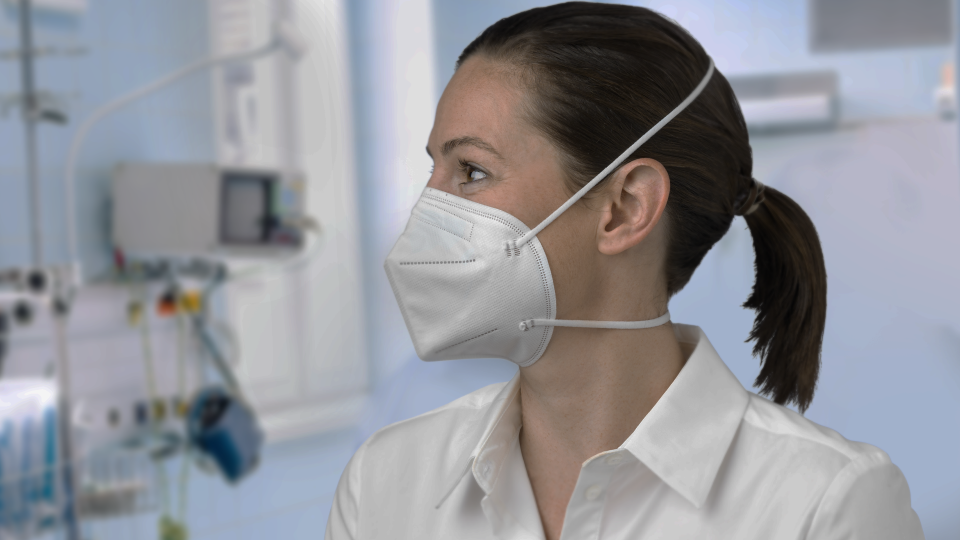
Fit testing of tight-fitting respirators is mandatory under the Australian New Zealand Standard AS/NZS1715:2009 and must be repeated when PPE models change, user face characteristics change, or work conditions shift.
Reinforcing compliance is key to ensuring a safe work environment. Detmold Medical can help you guide and navigate standards and compliance obligations across your organisation.
Common PPE mistakes in the workplace
While masks remain an effective tool for keeping workers safe, many workplaces over-rely on single-use face masks and respirators without implementing correct risk review and reassessment practices.
For example, workplaces often neglect to conduct reassessments following process changes, the introduction of new equipment, or the presence of different contaminants. In addition, employers may overlook user feedback regarding fit, discomfort that compromises the seal, or communication difficulties.
Failing to identify these common mistakes can lead to increased stress and reduced trust in workplace safety systems.
Build confidence at work with effective PPE
As an employer, it’s essential to ensure your workers are protected on the job with the right control measures and adequate protective equipment. PPE effectiveness depends on knowledge, proper fit, and individual compliance, underscoring the importance of comprehensive workplace training.
As a trusted leader in PPE education and equipment, Detmold Medical plays a vital role in safeguarding the Australian community. Explore Detmold’s comprehensive range of face masks and respirators, or contact us for help with your mask order.