


By browsing our website you agree to our use of Cookies

Are you sure?

Are you sure? If you change your country now, any items you have added to your cart will disappear.

have been added to your quote request

View Quote

have been added to your cart.

View Cart

Please set your location to see relevant stock levels.
Note: changing your location will empty your cart.

Please enter a valid postcode

How to Safely Put on and Take off a Mask

How do I correctly wear a face mask?

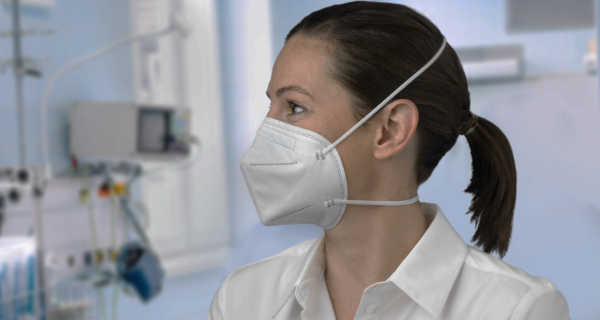
Face masks can be an effective control measure in a community setting, as well as a healthcare setting, in preventing droplets of bodily fluids from escaping via the nose and mouth.

They protect the wearer against splashes and sprays (sneezes and coughs) from other people, but the face mask must have proper application.

You may be asked to, or choose to, wear a mask to protect yourself and others. We have collaborated with SA Health to understand how to safely put on and take off a mask.

Watch the video of Lysanthi at SA Health putting on a Level 3 Surgical Mask to learn more, or follow our simple steps below.
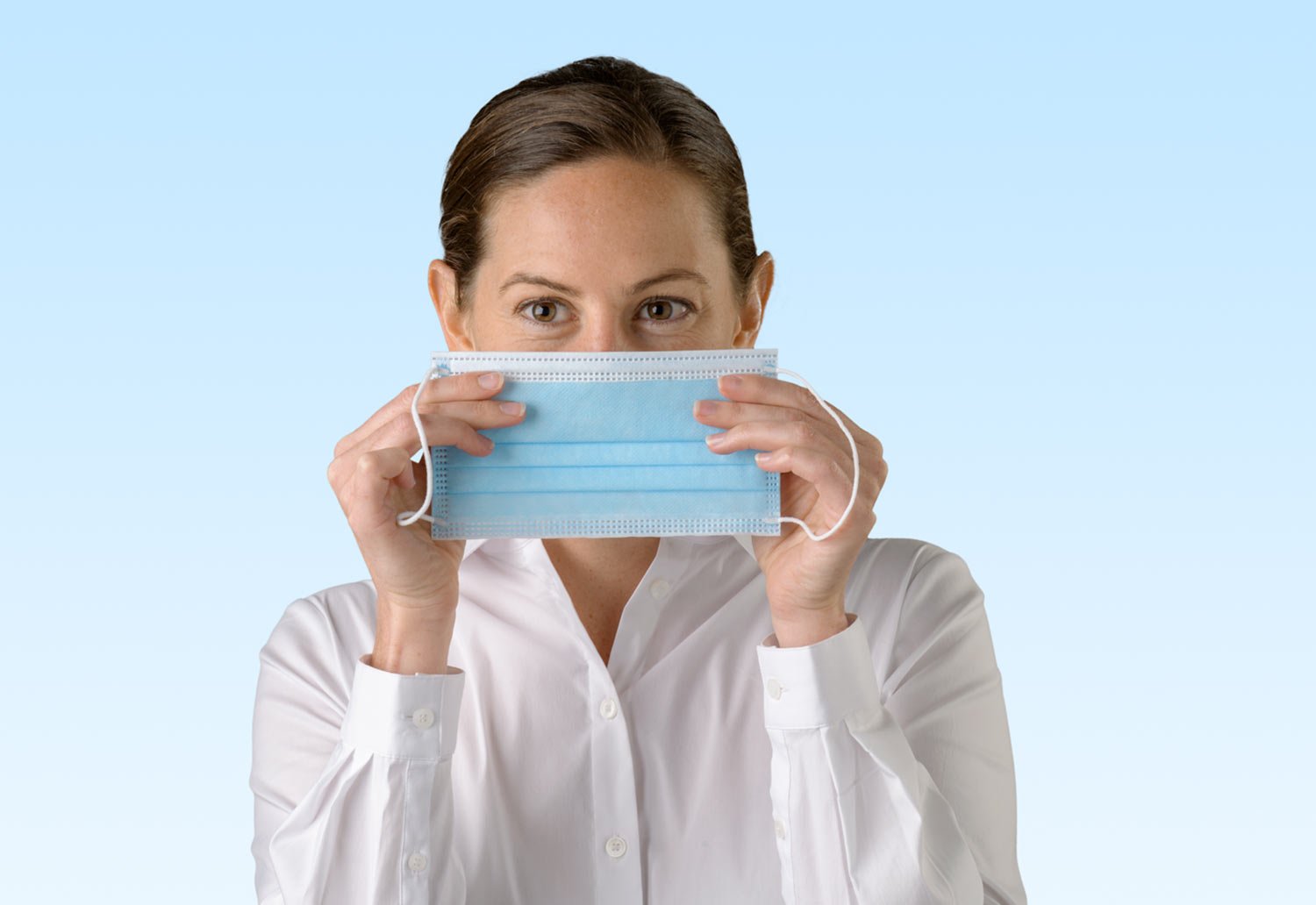
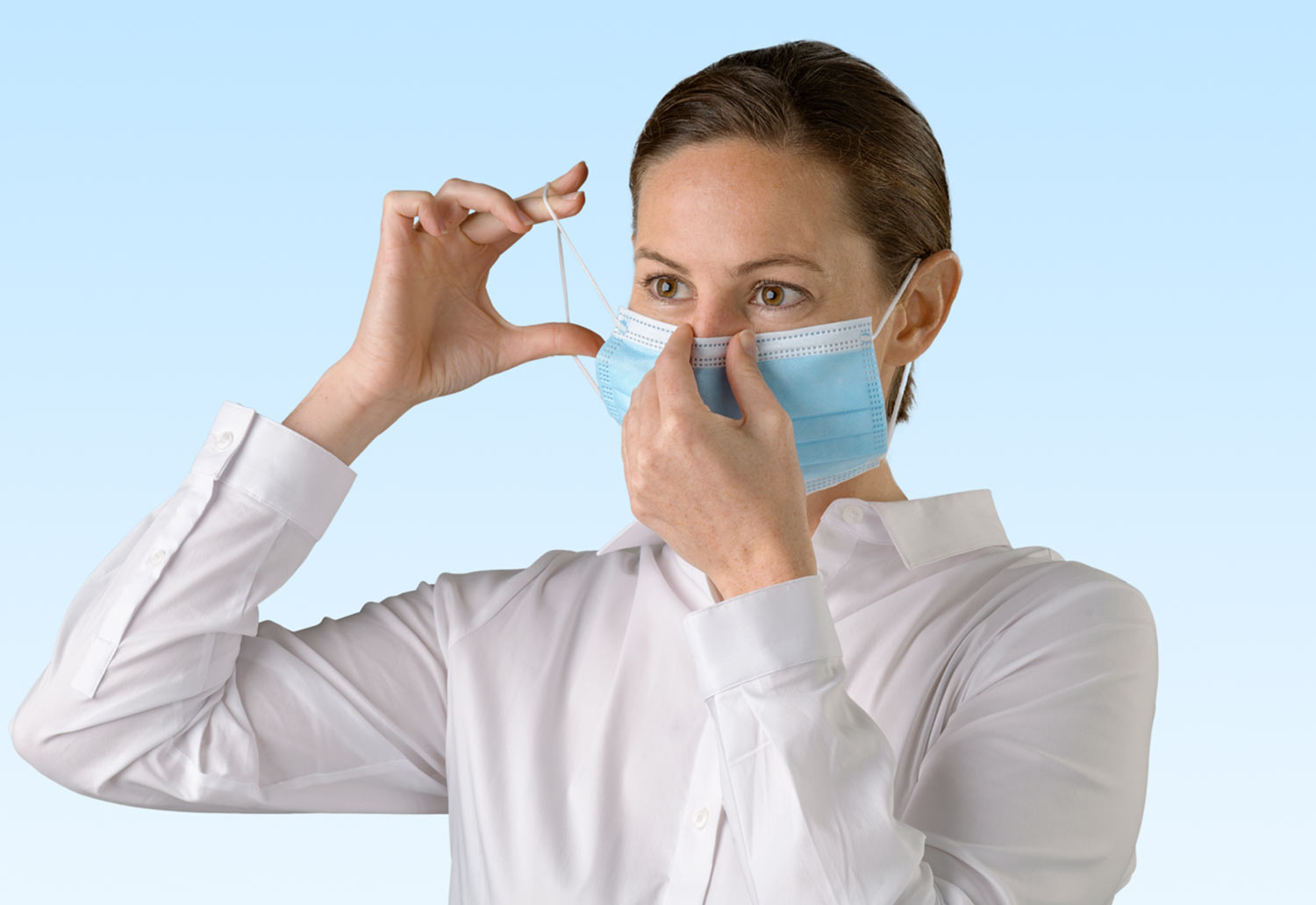
1. Appropriate hand hygiene should be used before touching the face mask. Hold the mask on the short edges with the ear loop connection points facing outwards.

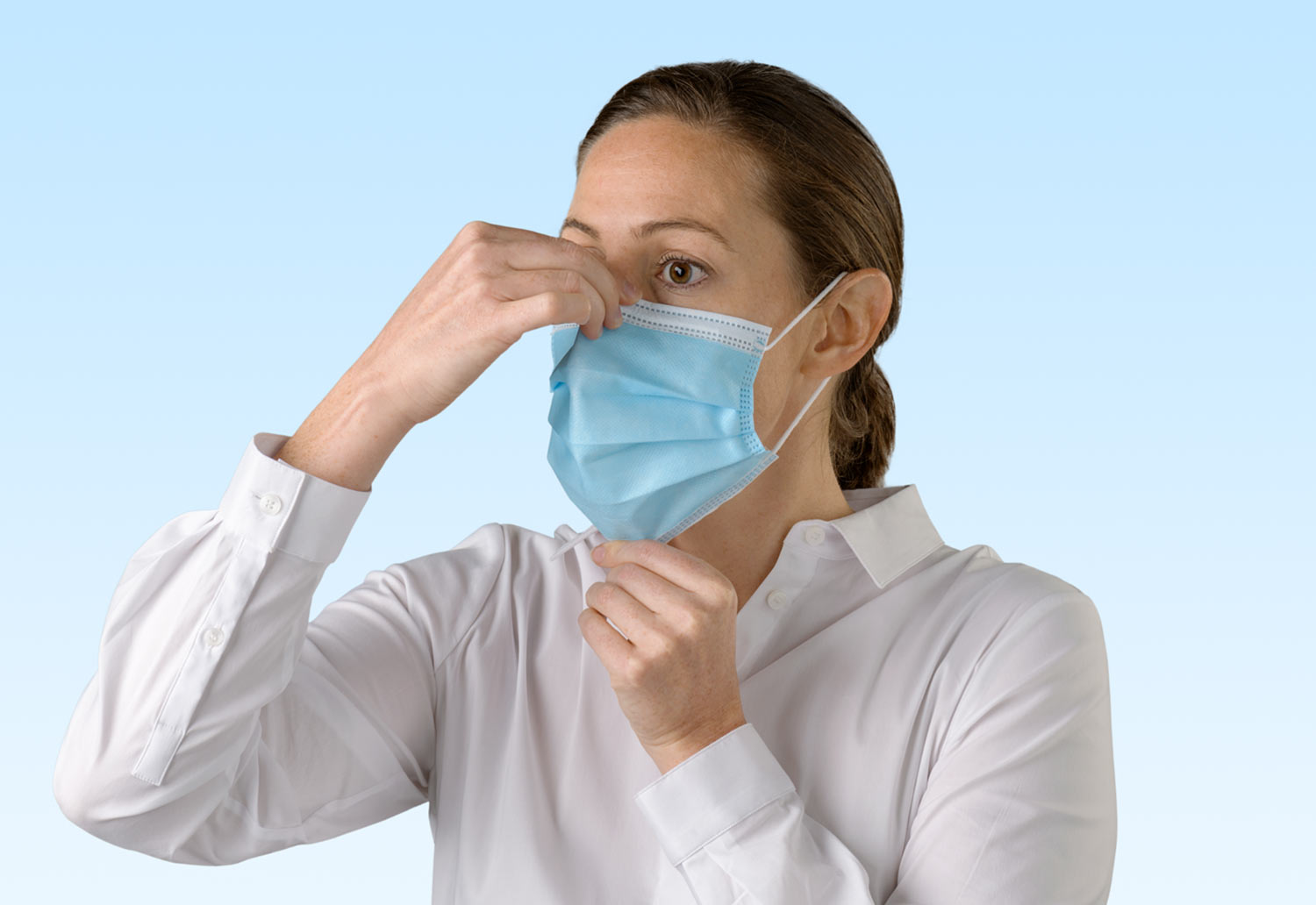
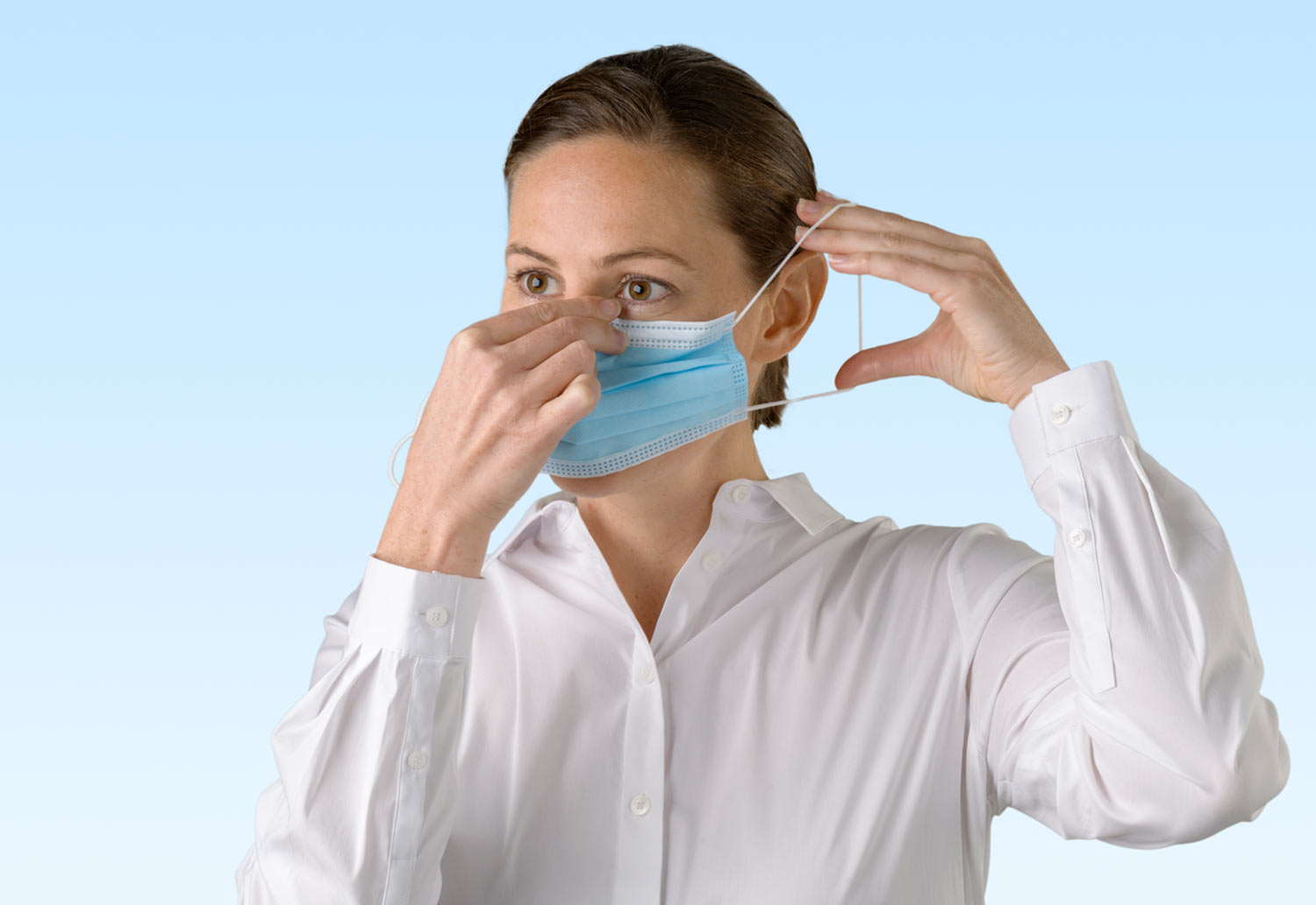
2. Pinching firmly on the nose piece, place one ear loop around the back of your ear and ensure it is secure. 

3. Place the second ear loop up over your other ear and check the face mask is evenly aligned on your face.

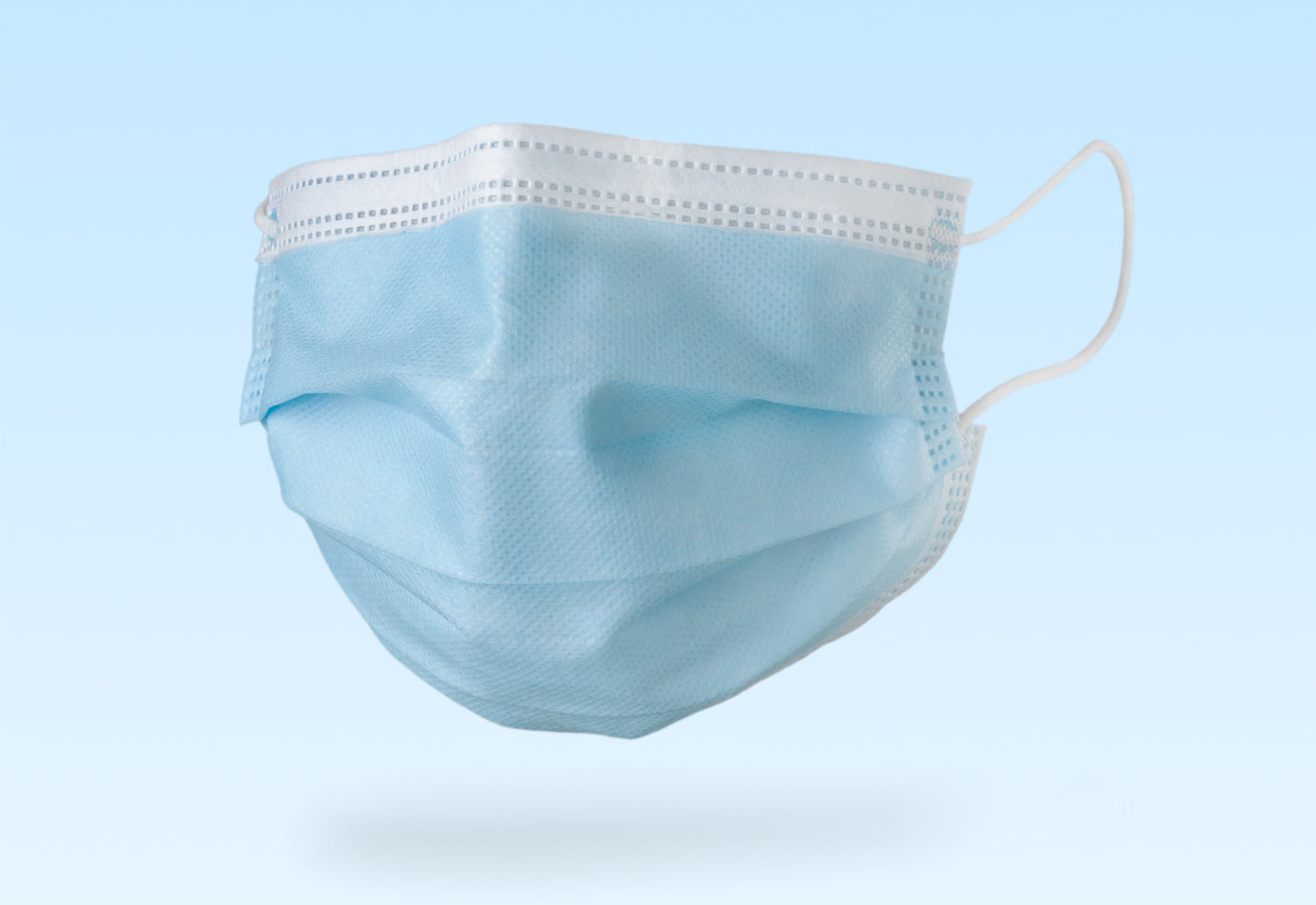
4. Expand the pleats to ensure a secure and comfortable fit.

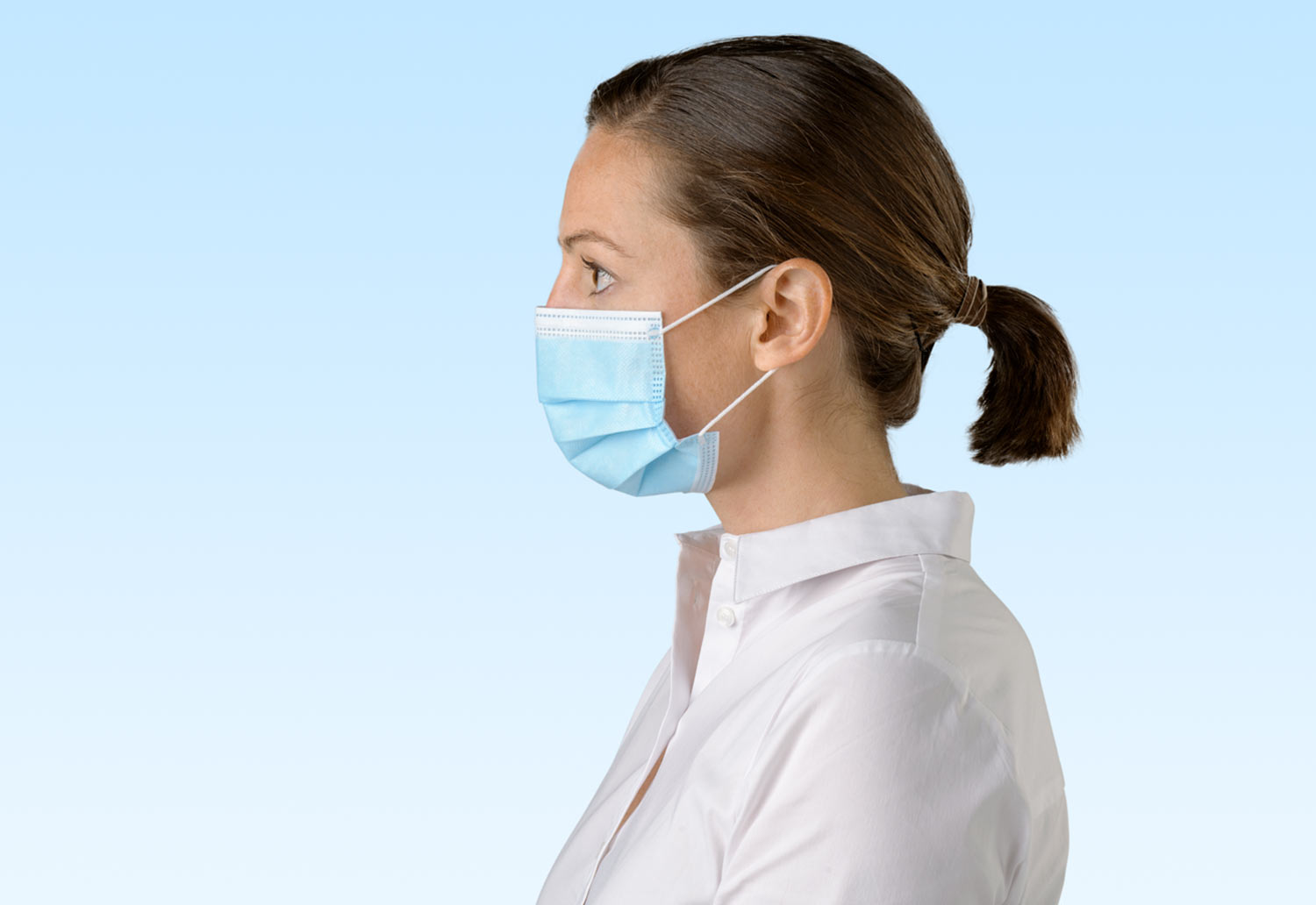
5. Check the face mask fit to ensure it is secured at the bridge of the nose and mouth. There should always be minimal gaps between the mask and face.

Appropriate hand hygiene should always be used when touching the mask. Masks should not be reapplied and should be discarded safely after use. 

Please see our instructional video with SA Health about safely donning and doffing our L3 Surgical Mask, or masks of a similar design.

Or, back to Detmold Medical.
More posts

Is Your PPE Adequate? Protecting Workers from Airborne Contaminants in the Workplace

Healthcare & MedicalGovernment DepartmentIndustries - Detmold MedicalGovernment Department Healthcare & Medical

Employers have a legal duty under WHS legislation to eliminate or minimise risks, such as airborne hazards. Within the hierarchy of controls, personal protective equipment (PPE) and respiratory protective equipment (RPE) are often used as a last resort to protect workers from inhaling harmful airborne particles. With this in mind, it’s essential to ensure that the PPE you select provides adequate protection against the hazards and risks you’ve identified through a thorough risk assessment.

Psychosocial Risk in High-Stress Care Environments

Healthcare & MedicalGovernment DepartmentIndustries - Detmold MedicalGovernment Department Healthcare & Medical

High-stress environments such as ICU wards, aged care facilities, and emergency departments demand more than just clinical capability. They require robust personal protective equipment (PPE) systems that safeguard both physical and psychosocial well-being. In these settings, PPE is not merely a physical barrier against harm; it also plays a critical role in protecting workers from psychosocial risk.

How to Store Your Face Mask and Respirator

Healthcare & MedicalGovernment DepartmentIndustries - Detmold MedicalGovernment Department Healthcare & Medical

Face masks and respiratory protective equipment (RPE) are critical in protecting healthcare workers, safety officers, and the wider community. During the COVID-19 pandemic, they became an essential tool in reducing the spread of infection. Their importance has continued well beyond the peak of the pandemic as face masks remain a common precaution on public transport, during flu season, and in other high-risk environments, reinforcing their place in everyday health and safety practices.