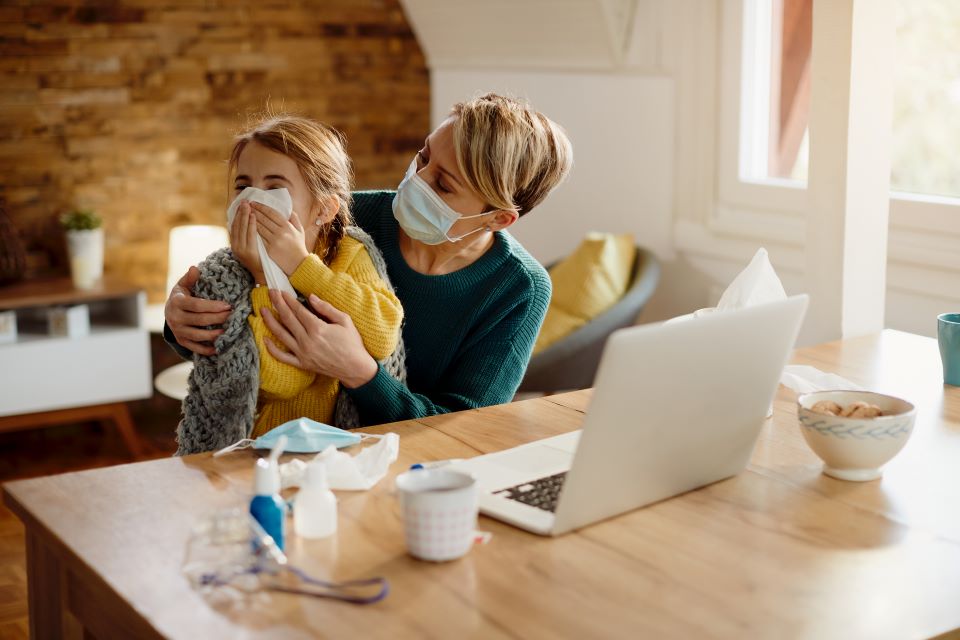



With flu season in Australia quickly approaching, it can be easy to be caught off guard due to rapid changes in circulating viruses and a false sense of well-being. This can lead to lower immunisation rates and put significant pressure on our healthcare systems.
However, as we draw closer to the colder months, increased illness, workplace absences, and sudden viral spread in the community generally indicate that the season is well and truly upon us.
Preparation is key to prevention
In Australia, flu season typically coincides with the colder winter months, making autumn a key time for prevention preparation. The Australian Centre for Disease Control outlines several prevention strategies, including getting vaccinated, physical distancing, maintaining good hygiene, regularly cleaning high-use objects and surfaces, and staying home when sick.
If you must leave home or find yourself in a high-risk setting, wearing a face mask can be one of the most effective ways to prevent the spread of illness or protect yourself from other community members who are unwell.
This article outlines when flu season is in Australia, the best ways to avoid sickness, and how to choose the right face mask this flu season.
When is flu season in Australia?
In Australia, flu season typically occurs during the winter months, with influenza infections peaking around June to September. Over the last 5 years, there’s been variability in the severity of flu seasons in Australia post-COVID-19. For example, 2019 saw a spike in influenza deaths, whereas during COVID-19, influenza-related deaths dropped significantly due to strict pandemic interventions. Other factors such as weather patterns, vaccination rates, and public behaviour can influence the severity of the flu season.
While the seasonal flu typically peaks over the winter months, influenza cases often increase in Autumn. Therefore, early preparation to build your defence during flu season is critical. Taking a layered prevention approach is the most robust way to ensure you’ve taken all necessary steps to stay protected this flu season.
How to prevent the flu this season
As influenza is highly contagious. Getting an annual flu vaccination is one preventive measure to avoid illness this flu season.
Maintaining good hand hygiene is also important for staying safe from the flu. This includes regularly washing your hands with soap for at least 20 seconds or using an alcohol-based hand rub (ABHR). Where possible, try to avoid close contact with sick individuals, stay home when unwell, and wear a mask in high-risk situations.
The takeaway: There’s no single approach to help prevent the flu. Instead, a combination of good habits will offer better protection than a single prevention strategy. Start by using a high-quality face mask in busy areas or when catching public transport to work.
How masks help reduce the spread of flu
The flu spreads through respiratory droplets released when infected people sneeze, cough, or talk. These droplets can enter the mouths or noses of nearby people or be inhaled into the lungs, leading to infection.
Face masks are a simple yet effective way to reduce transmission in crowded spaces or high-risk settings. They’re often recommended for use on public transport, in healthcare settings, or in crowded indoor environments. By acting as a physical barrier, face masks prevent infectious droplets from entering your mouth, nose, and lungs.
Wearing a mask, combined with other preventative measures such as good hand hygiene and the flu vaccine, can help you stay safe this flu season. Plus, by acting as a form of source control, wearing a mask can also help protect your fellow community members if you’re already unwell.
Choosing the right flu mask for your needs
Community face masks
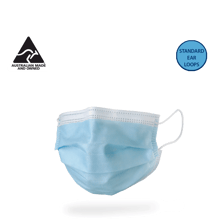
Community face masks are suitable for everyday use in public settings such as cinemas, shops, conference rooms, or other crowded indoor areas. They’re a comfortable, accessible option for general prevention and protection. That said, they’re not recommended for use in clinical settings or high-risk environments.
N95 respirator masks
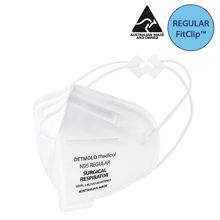
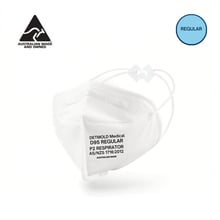
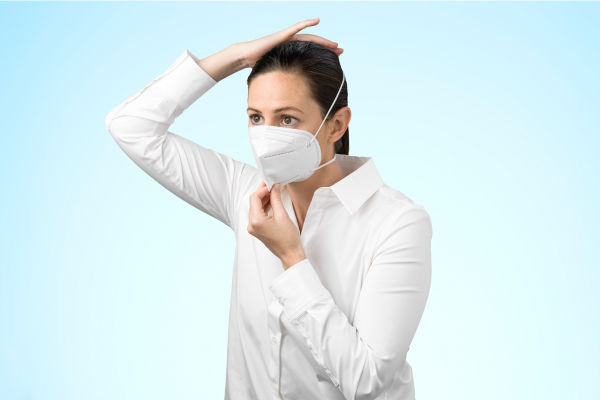
N95 respirator masks offer a secure facial fit and high filtration capabilities, making them ideal for higher-risk environments. They’re suitable for healthcare settings such as hospitals or residential care facilities. If you’re after high-level protection during the flu season, the N95 respirator is typically the best option.
When it comes to choosing respiratory protection, it’s important to remember that not all face masks are made equal. The best choice depends on the environment and risk level.
Whether you’re in high-risk environments or off to the cinemas with friends, at Detmold Medical, we supply quality, TGA-registered face masks and respirators that offer effective protection this flu season.
How to stay healthy during flu season
Staying healthy this flu season is best achieved through a layered approach to protection, supported by practical lifestyle habits. Prioritising sleep and recovery, maintaining a balanced diet, staying hydrated, and managing stress all play an important role.
Combined with measures such as wearing appropriate face masks or respirators, practising good hand hygiene, and staying up to date with vaccination, these steps can help reduce your risk of illness.
Get ready before flu season peaks
Preparation is everything when it comes to prevention – and the earlier you start, the better. As we rapidly approach the colder months, it means more illness and germs are entering the air, so flu season will be here before we know it.
As a first step, consider stocking up on respiratory protection, such as face masks and respirators, and providing staff with easy-to-follow tools and resources to help them stay well this flu season. Face masks are a simple, practical step in preventing illness throughout the winter months.
Detmold Medical supply a large range of certified face masks and respirators, promising reliability, quality, and local manufacturing, giving you confidence this flu season. Explore our range of high-quality face masks and respirators, or use our selection guide to help you find the best respiratory protection for your needs.